Linen, Properly: A Grown-Up Guide
How to buy linen that lasts, wash it without ruining it, make peace with the creases, and know the three occasions it has no business attending.
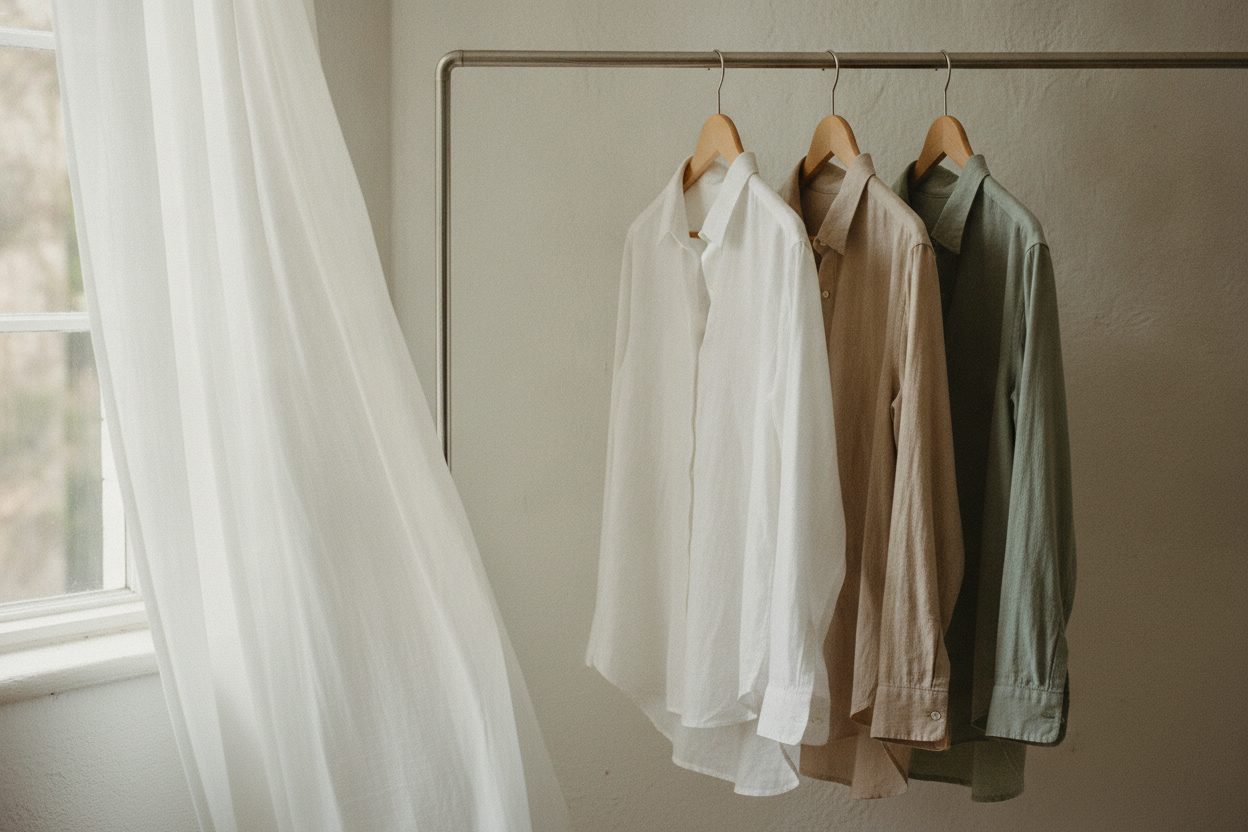
Linen is the fabric people buy on vacation and regret in the office. It looks effortless on a rack in a sunlit shop and then arrives home as something that creases if you look at it, shrinks if you wash it, and costs more than the cotton next to it for reasons nobody explained.
All of that is true of bad linen, bought badly. Good linen, bought with a little knowledge, is the most comfortable thing you can wear between April and October, lasts for decades, and gets better every time it goes through the machine. This is the guide we wish someone had handed us before the first disappointing shirt.
Why it is worth the trouble
Linen is spun from flax, a plant that grows well in cool, damp climates without much help. The fiber is hollow and stiff, which is the whole story in one sentence. Hollow means it pulls moisture off your skin and lets it go, so it feels cool when nothing else does. Stiff means it holds its shape away from the body rather than clinging, and it means it creases. You cannot have the first without the second. Anyone selling you crease-free linen is selling you something else.
It is also strong. A linen shirt washed once a week for ten years will be softer and thinner than the day you bought it, but it will still be a shirt. Very few cottons can say that.
Weight: the number that matters most
Fabric weight is measured in grams per square meter, and good shops will tell you if you ask. Below about 130 gsm you are looking at handkerchief linen: lovely, sheer, and not much use as a shirt unless you want to wear something underneath. Between 150 and 200 gsm is the sweet spot for shirts and dresses, substantial enough to hang well and hide a strap, light enough to be cool. Above 220 gsm you are in trouser, jacket and upholstery territory.
If the shop cannot tell you the weight, hold the garment up to the window. If you can clearly see your hand through it, it is too light to wear alone. If it feels like a tea towel, it is too heavy for a summer shirt and will take a week to dry.
Weave: plain is fine
Most linen clothing is a plain weave, one thread over, one thread under, and that is exactly what you want. It breathes best and it ages most evenly. You will occasionally see herringbone or twill linen, which drapes more softly and creases a little less. Both are good in trousers. Both are usually more expensive.
Look at the weave closely under good light. The threads should be reasonably even. Little knots and thick spots, called slubs, are normal in linen and part of its character, but a fabric that looks lumpy all over has been made from short, cheap fibers and will thin at the elbows within a year.
Check the label for the word linen on its own, or a linen content above about 55 percent. A linen-cotton blend is not a crime; it creases less and costs less. But a garment that is 20 percent linen and 80 percent viscose is a viscose garment with a linen price tag.
Washed or unwashed
Here is where most people go wrong without knowing there was a choice. Unwashed linen, straight off the loom, is crisp, slightly shiny, and will shrink noticeably the first time it meets water. It feels papery. It is also what most cheap linen is, because skipping the wash saves the maker money.
Pre-washed linen, sometimes called garment-washed or stone-washed, has been through the process already. It arrives soft, matte and slightly rumpled, and it will not shrink meaningfully again. It costs more. It is worth it every time, because the garment you try on in the shop is the garment you will own.
If you do buy unwashed linen, buy it a size up, wash it cold before wearing it, and accept that the shape will change.
How to wash and dry it
Linen is not delicate. It was used for sails and sacks for most of its history. Wash it in the machine on a normal cycle, warm rather than hot, with whatever detergent you use for everything else. Skip fabric softener, which coats the fibers and stops them breathing. Skip bleach, which weakens them.
Wash dark linen inside out and with other darks. Flax takes dye well but gives it up readily, and a navy shirt will share itself with a white one.
Drying is the part that matters. Take it out of the machine while it is still damp, shake it hard twice, and hang it on a wooden or padded hanger to finish drying. Do not wring it. Do not leave it in a heap in the drum for three hours. The hanging does most of the work an iron would do.
A tumble dryer is not forbidden, but use it on low and take the garment out early. Linen that is bone-dry from a hot dryer feels harsh and creases like paper. Linen that comes out slightly damp and is hung for the last hour feels like linen.
If you must iron, do it while the fabric is still damp, on the hottest setting, with steam. Ironing dry linen is an argument you will lose.
Living with the creases
A certain amount of creasing is not a flaw. It is the fabric telling the truth about having been worn. The trick is the difference between rumpled and crumpled. Rumpled is soft, even creasing across the whole garment from hanging to dry and being sat in. Crumpled is sharp, deep folds from being left in a bag.
Good linen, hung to dry and worn with ordinary care, rumples. The creases at the elbow and lap are fine. If you want a crisp collar and placket, iron only those, and let the rest of the shirt do what it wants. Nobody in the history of summer has looked at a linen shirt and thought less of the wearer for it.
What to wear it with
Linen works best when something near it is not linen. A linen shirt with heavy cotton trousers. A linen dress with leather sandals and a structured bag. Linen trousers with a fine knit. The contrast gives the eye somewhere to rest and stops the whole outfit sliding into vacation.
Head-to-toe linen in one color, which shops love to sell as a set, looks like pajamas on almost everyone. If you want two linen pieces at once, make them different weights or different colors.
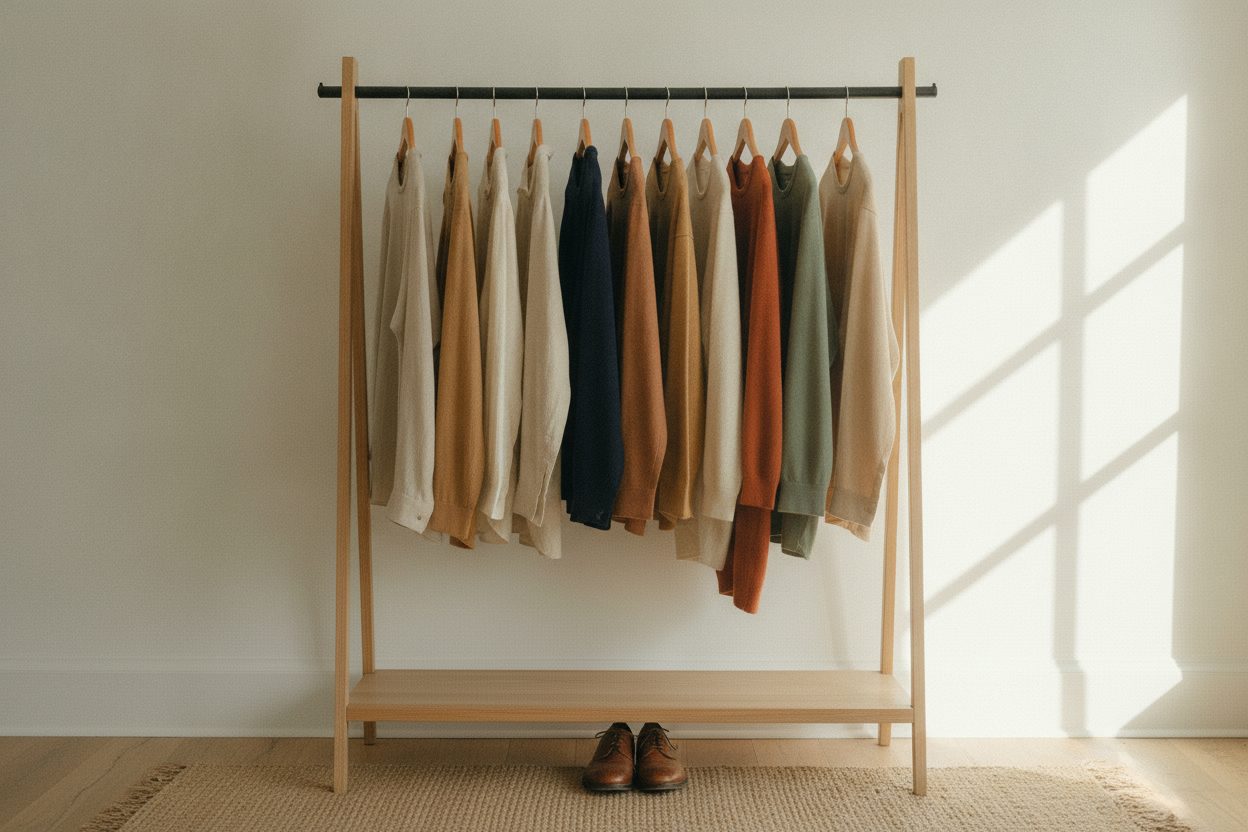
On color: linen takes dye beautifully but looks best in the shades flax wants to be. Oatmeal, white, stone, sage, a soft navy, a faded terracotta. Bright, saturated linen is rarer because the fabric fights it, and it fades faster.
When not to wear it
Linen has three enemies: formality, cold and long sitting. A linen suit at a wedding is wonderful if the wedding is in a garden in July and dire if it is in a cathedral in October. A linen shirt in a cold office will leave you cold, because the same hollow fibers that let heat out in summer let it out in winter too. And anything you sit in for six hours, a car, a plane, a conference room, will arrive looking slept in, because in a sense it has been.
For those days, wear cotton or wool and save the linen for the days that deserve it. Half the pleasure of the fabric is that it belongs to a season.
Buy fewer, better
A good linen shirt costs more than a cotton one, and it should. You are paying for longer fibers, for the pre-washing, for a fabric that will outlive the shop you bought it in. Two or three pieces in weights and colors you actually wear will do more for your summers than a drawer of cheap ones that shrank the first week.
Start with one shirt in a weight you can feel, a color you already own trousers for, and the word pre-washed on the label. Wear it until it is soft. Then buy the next one.