9 Wardrobe Fixes a Tailor Can Make for Less Than Dinner
Almost nothing off the rack fits anyone exactly. Nine cheap alterations that make ordinary clothes look made for you, and exactly what to say when you hand them over.
Almost nothing off the rack fits anyone exactly. Trousers are cut for a leg that is not yours, sleeves for an arm that is not yours, and the whole garment for a body that is the average of thousands of people and therefore nobody. The difference between clothes that look fine and clothes that look expensive is usually not the clothes. It is whether anyone adjusted them.
A good tailor does most of this quickly and for less than a meal out. Here are the nine fixes worth asking for, what to say when you hand the garment over, and the one where the budget runs out.
1. Hemming trousers
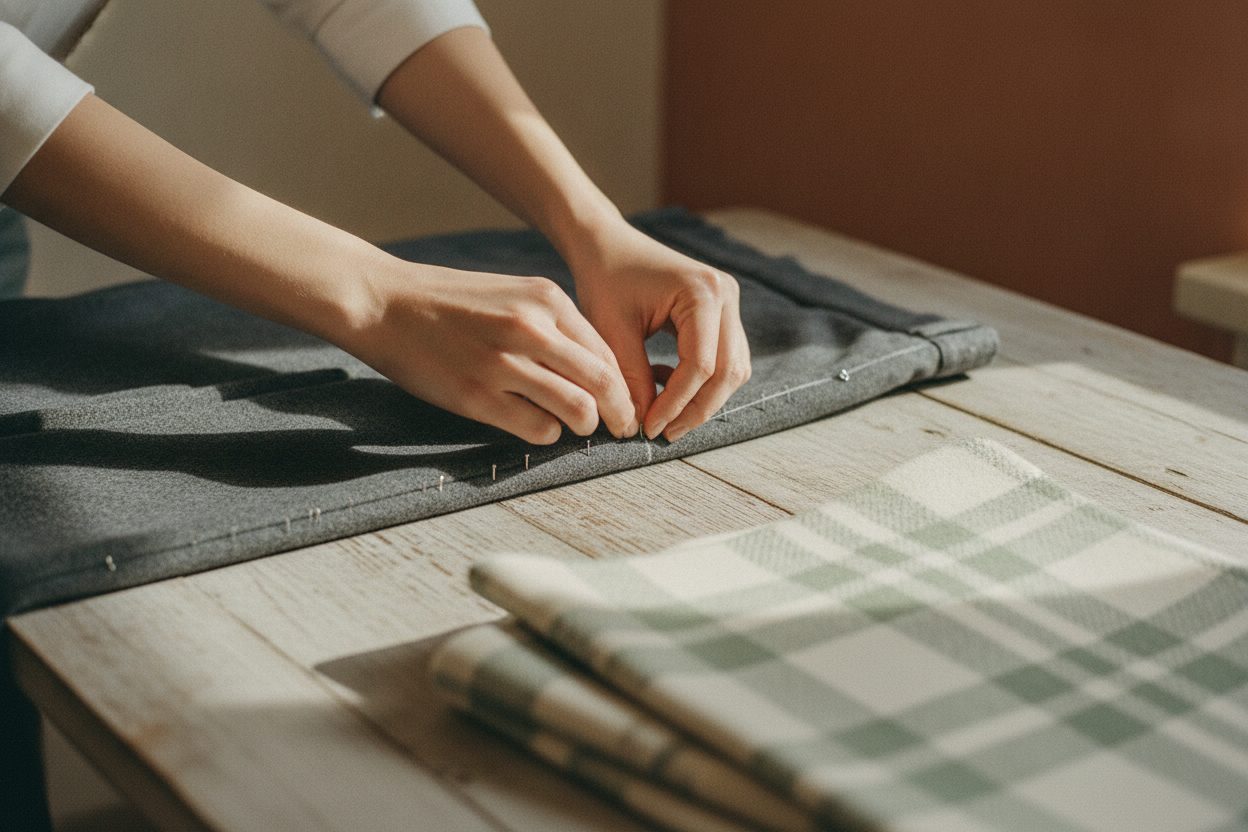
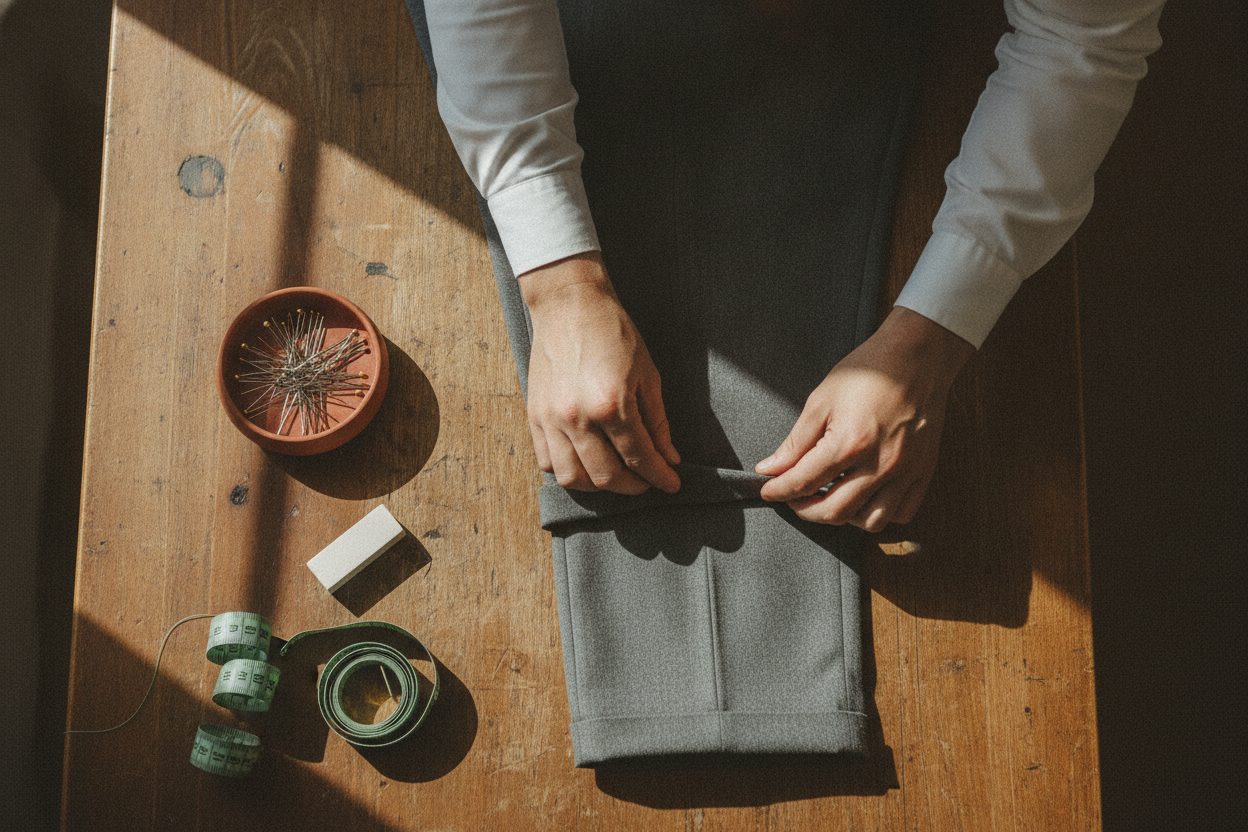
The most common alteration and the most transformative. Trousers that puddle on the shoe look borrowed; trousers that stop at the right point look made for you. Wear the shoes you will wear with them to the fitting and stand naturally.
Ask for a slight break, where the fabric just touches the shoe with one soft fold, or for no break at all if you prefer a cleaner line. Ask for the original hem to be kept if the trousers have a cuff or a distinctive finish. A blind hem is invisible from outside; a machine hem is fine on jeans and casual trousers.
2. Taking in the waist
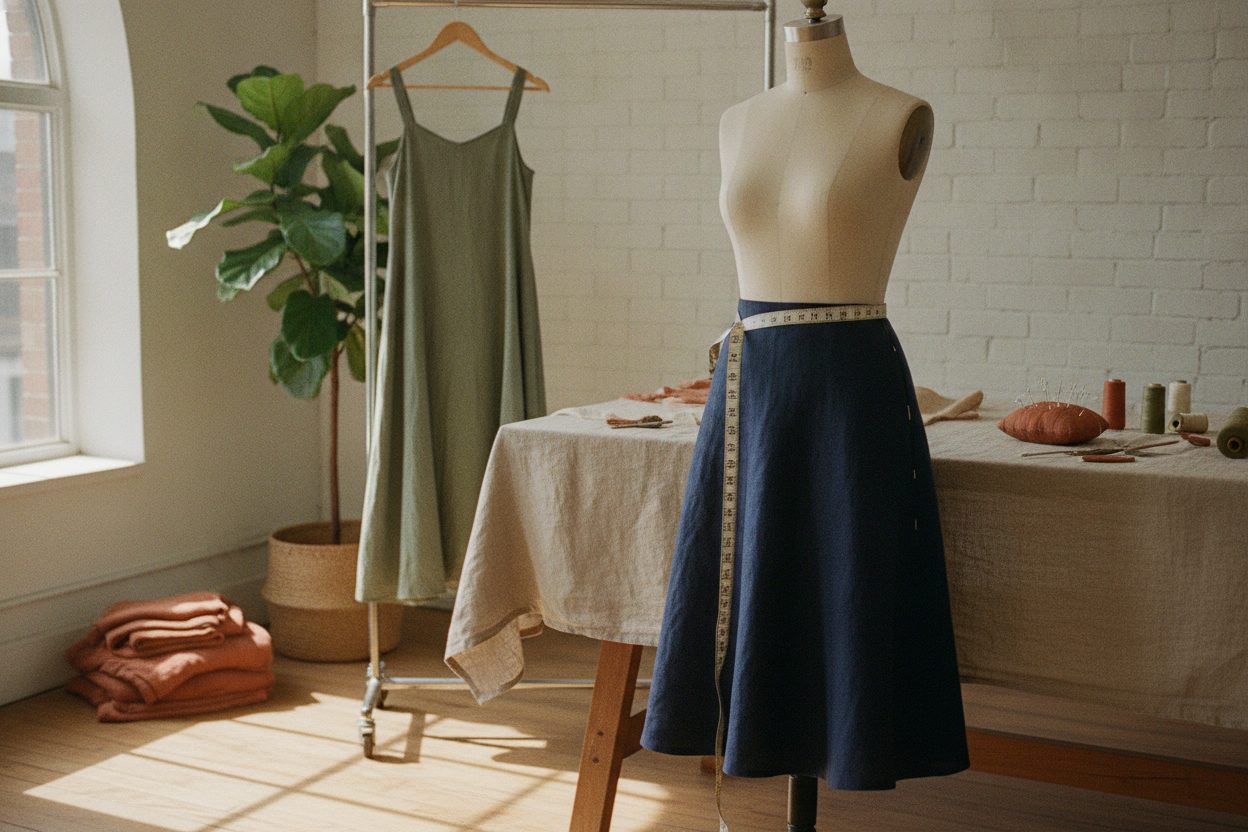
If trousers or a skirt fit everywhere except the waistband, a tailor can take in a couple of inches through the center back seam, often without touching the pockets. Ask for the waist to be taken in at the back, and hold the waistband where you want it to sit so they can pin it.
Tell them if you want the belt loops kept evenly spaced, since the center loop may need to move. This is why you buy trousers to fit the seat and hips and let the waist follow.
3. Shortening shirt sleeves
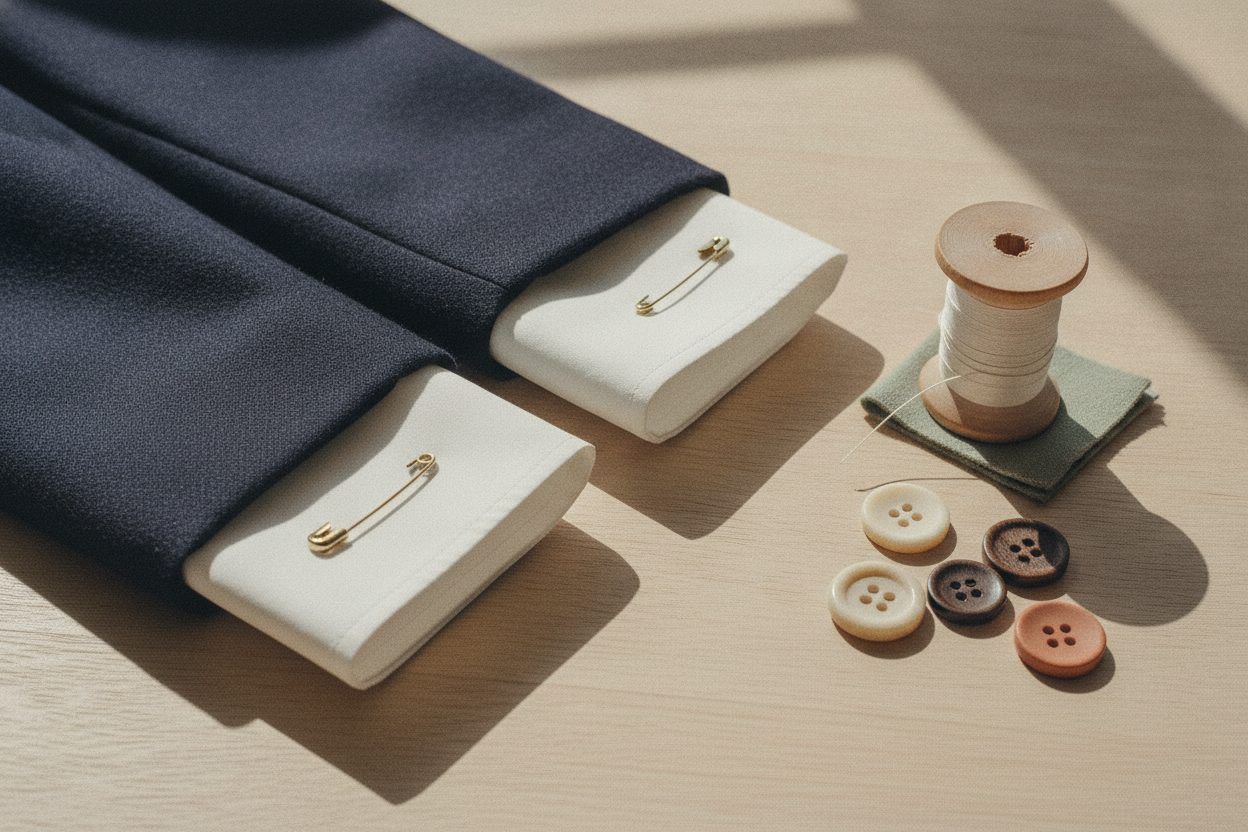
A shirt cuff should end at the wrist bone and show a little below a jacket sleeve. Most shirts are cut long. Ask for the sleeve to be shortened from the cuff, which means the cuff comes off, the sleeve is cut, and the cuff goes back on; the placket and buttons stay where they were.
Be precise. Stand with your arms relaxed and ask them to mark where the cuff edge should land. This is a small job on a cotton shirt and makes a cheap one look fitted rather than inherited.
4. Replacing buttons
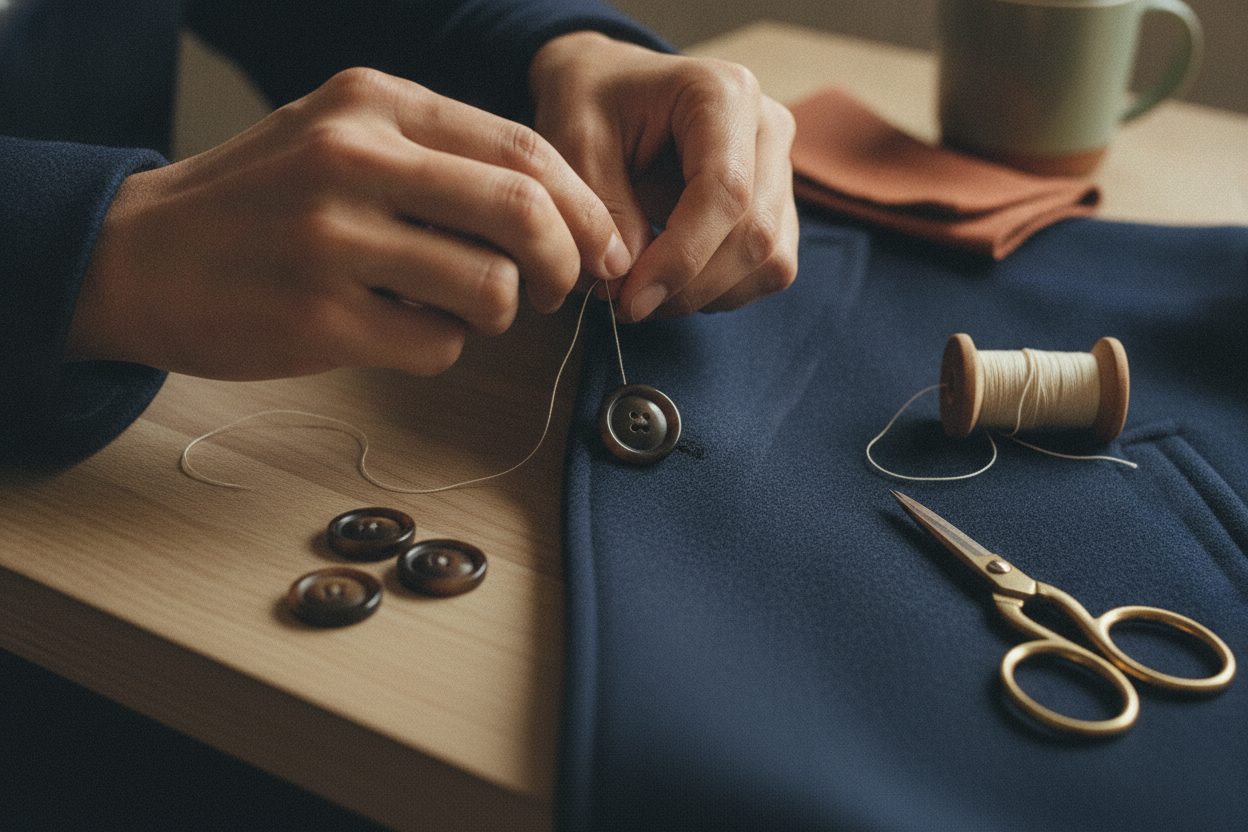
The fastest way to make a modest jacket or coat look like a better one is to change the buttons. Plastic to horn, corozo or mother-of-pearl, in a shade slightly darker than the cloth. Bring the new buttons with you, or ask the tailor to show you a card.
Ask for them to be sewn with a thread shank so they sit proud of the fabric and fasten easily, and for the spares to be sewn inside the hem. While you are there, have any loose button restitched. It costs very little and is the first thing people notice without knowing why.
5. Tapering trouser legs
Trousers that fit the waist and seat but flap at the ankle can be narrowed from the knee down. Ask for the legs to be tapered and say how wide you want the opening, or bring a pair you like and point. The tailor will take in the inseam, or both seams for a bigger change, and re-hem.
Do not ask to taper above the knee, where the pockets and seat make it costly and the result rarely sits right. From the knee down it is quick, and it turns a dated pair into a current one.
6. Taking in a shirt or dress
A shirt that fits the shoulders and the neck but billows at the waist can be brought in with darts at the back or by taking in the side seams. Ask for the body to be slimmed and say how close a fit you want; the tailor will pin it while you stand. The same works on a dress with plain side seams and no pattern to match.
Stop short of the shoulders and the armhole, which are far more work. Side seams on a cotton shirt or a simple dress are an inexpensive job that makes a garment look cut for you.
7. Shortening a skirt or dress
Hem length changes the whole character of a garment, and most skirts and dresses are cut to a length that suits nobody in particular. Decide on the length wearing the shoes you will wear, and ask for it to be marked while you stand.
A plain hem on a cotton or wool skirt is simple. A lined skirt, a curved hem or a pleated one takes longer and costs more, so ask for a price before you commit. Keep the offcut if the fabric is good; it is useful for patching later.
8. Replacing a zipper
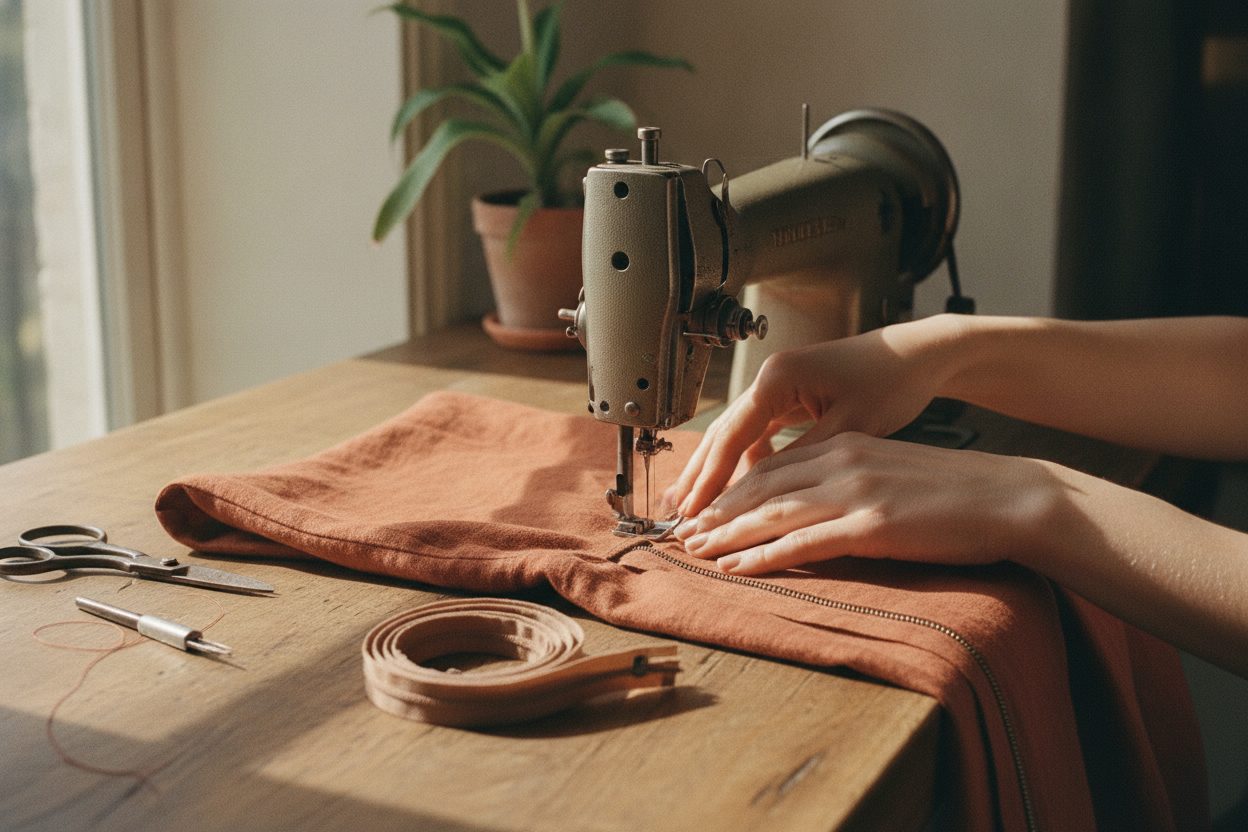
A broken zipper is not the end of a garment. Trouser flies, skirt backs and jacket fronts can all be fitted with a new one for far less than the cost of replacing the piece. Ask for a zipper of the same type and a matching color, or bring one with you.
On a coat, a separating zipper is a bigger job than a fly, so ask for a quote first. Jeans and work trousers are good candidates. A cheap garment where the zipper would cost more than the fabric is not.
9. Shortening jacket sleeves
This is the top of the dinner budget and the fix to ask about carefully. A jacket sleeve should show a little shirt cuff. If the jacket has plain buttons and no working buttonholes, the sleeve can be shortened from the cuff and the buttons moved; ask for that. If the buttonholes are functional, the sleeve has to be shortened at the shoulder, which is a different and much larger job. Ask which kind you have before you buy.
Everything above this, reshaping shoulders, recutting a coat, costs more than dinner and often more than the garment. Know where the line is, and stop at it.