The Quiet Luxury of a Room That Finally Works
Not a renovation. Not a shopping list. Twelve small decisions that make the room you already have feel like the one you wanted.
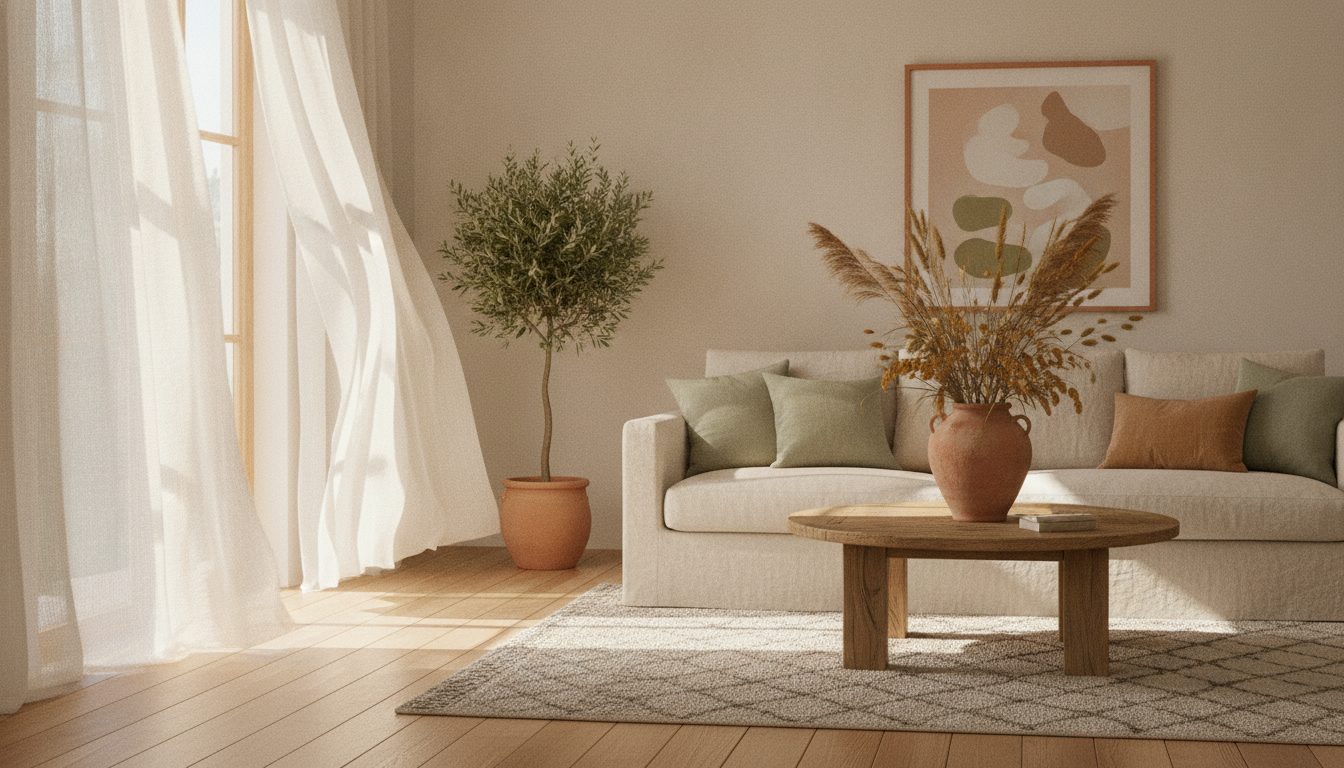
There is a particular feeling when a room works. You walk in and your shoulders drop. You know where to put your keys. The light is where the chair is. Nothing is asking for attention.
Most rooms do not work, and most of the advice about fixing them involves spending money you do not have on things you do not need. So this is a different kind of list. Nothing here costs more than a lamp, and most of it costs nothing. It is about decisions, not purchases.
Start with where you actually sit
Every room has a place where you end up. Not the place the furniture plan says you should sit, but the corner you drift to with a cup of tea. Find that spot and make the room serve it. Move the lamp there. Put the side table within reach. Angle the chair so you can see the window and the door. The rest of the room can be arranged around that one honest fact.
One lamp, turned on early
Overhead lighting is for finding things. Living is done at eye level. A single lamp in the corner you sit in, switched on an hour before you need it, does more for a room than any cushion. If you only do one thing from this list, do this.
Clear one surface completely
Not the whole room. One surface. The coffee table, the mantelpiece, the top of the bookcase. Take everything off it, clean it, and put back one object you like. Leave it that way for a week. You will find that the empty surface does the work of ten accessories, because it gives the eye somewhere to rest.
Let the curtains touch the floor
Short curtains make ceilings lower and windows meaner. If yours stop at the sill, let them down or replace them with something that pools slightly. Plain linen or cotton, in a colour close to the wall, will make the window look taller and the room calmer than any pattern.
Stop matching
Matching suites were a convenience for shops, not for people. Two chairs that are the same shape but different fabrics, a table that is older than the sofa, a lamp from a different decade. Rooms that feel collected feel lived in. Rooms that match feel like showrooms, and showrooms are designed to be left.
Paint the small room dark
Small, north-facing rooms spend their whole lives failing to be bright. Let them stop trying. A deep green, a soft black, a warm brown. The walls recede, the lamp glows, and the room becomes somewhere you go on purpose rather than a space you apologise for.
Put the big thing where the eye lands
Every room has a first glance, usually from the doorway. Whatever sits there sets the tone. Make it the sofa, a painting, a tree in a pot. Not the television, not the radiator, not the bin.
Buy the good version of the thing you touch most
The door handle. The tap. The mug you use every morning. These are the objects your hands know. A decent one costs a little more and gets used ten thousand times. Save the money on the things you only look at.
Leave a gap
A room needs somewhere to breathe. Pull the sofa a hand’s width off the wall. Leave one wall with nothing on it. Let a corner stay empty. The gap is not wasted space. It is what makes the rest of the room legible.
Fix the thing that annoys you
The drawer that sticks. The door that does not close. The picture that is slightly crooked. Each one is a small, daily subtraction from how the room feels. Fixing them costs an hour and a tube of wax, and the relief is out of all proportion.
Add one living thing
A plant you can keep alive, a bowl of fruit you will eat, a jug of whatever is growing. Not a display. Something that will change in a week and need your attention. Rooms with nothing alive in them feel like waiting rooms.
Then stop
The hardest decision in any room is to leave it alone. Once the lamp is in the right corner and the surface is clear and the curtains touch the floor, the temptation is to keep going. Do not. Live in it for a month. The room will tell you what it still needs, and it will almost certainly be less than you think.
Nothing in this piece is sponsored. If you want the longer version of the argument, the 1950s house that was never updated makes it better than we can.