A Slow Walk Is the Best Thing You'll Do Today
Not a workout. Not a step count. Forty unhurried minutes, no headphones, and what the research says happens to your head.
Somewhere in the last twenty years walking became exercise, and exercise became something to measure. Ten thousand steps. Heart-rate zones. A watch that buzzes when you have been sitting too long. All of it well meant, and all of it missing the point.
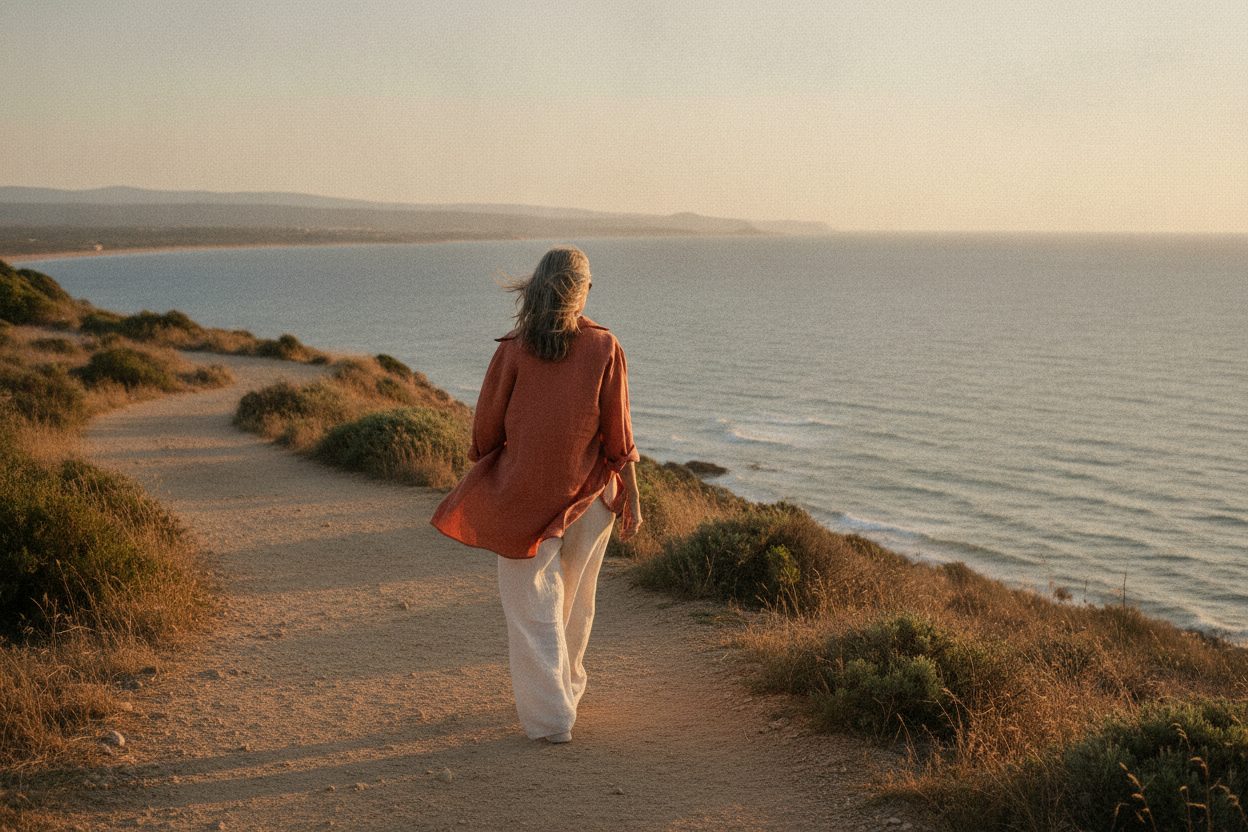
The walk we mean is older and simpler. Forty minutes, roughly. No destination that matters. No headphones. A pace at which you could hold a conversation and would rather not. It is the single most reliable thing we know for turning a bad day into an ordinary one, and the evidence behind it is better than you might expect.
What happens in the first ten minutes
The first ten minutes are the worst, which is why most people never find out about the rest. Your head is still indoors. You are composing the email, replaying the conversation, planning dinner. Keep going. Around the ten-minute mark your attention starts to drift outward: a dog, the smell of someone’s cooking, the way the light sits on a wall. That drift is the point. Attention researchers call it soft fascination, and it is the state in which the tired part of your mind gets to rest.
What happens by minute thirty
By half an hour something shifts that is hard to describe and easy to recognise. Problems that felt like walls start to feel like puzzles. A 2014 Stanford study found that people walking generated around sixty percent more creative ideas than people sitting, and the effect lingered after they stopped. Darwin, Dickens and Beethoven all walked for hours every day and said as much. They did not have a step count.
Why the headphones matter
A podcast is a perfectly good way to pass a walk, and a perfectly good way to make sure your mind never leaves the room it started in. The benefit comes from boredom, or what feels like boredom for the first fifteen minutes before it becomes something else. If you must listen to something, make it music without words, and take one earphone out.
The pace question
Slower than you think. Brisk walking has its own, well-documented benefits for your heart, and if that is what you want, go and do it. But this is a different thing. The pace is set by what you are looking at, not by a target. If you find yourself overtaking people, you are probably still at work.
Where to go
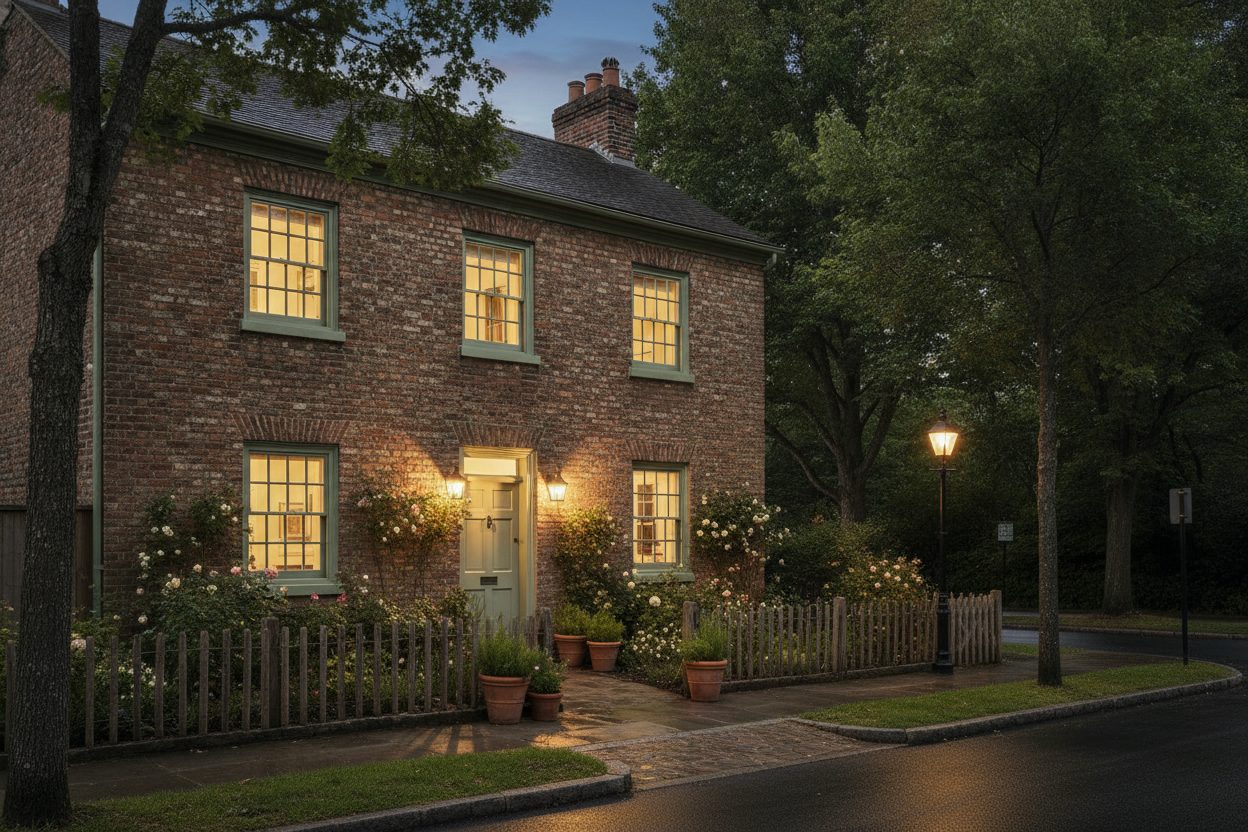
Trees help, water helps more, and both together help most. A 2019 study of nearly twenty thousand people found that around two hours a week in green space was the threshold at which people reported meaningfully better health and wellbeing, however it was split up. But a quiet residential street at dusk works too. What you are looking for is a route with nothing to decide: no crossings, no choices, no reason to check your phone.
Making it stick
Attach it to something you already do. After lunch. Before the school run. The moment you close the laptop. Walks that need planning do not happen; walks that are simply what comes next, do. Keep shoes by the door you actually use. Go when it is raining lightly. Go when you least feel like it, which is almost always when it helps most.
What it is not
It is not a cure for anything serious, and anyone whose low mood lasts for weeks should talk to a doctor, not a lifestyle website. But for the ordinary heaviness of an ordinary day, the kind that does not have a name and does not need one, forty slow minutes outdoors is the most dependable remedy we have found. It is free, and nobody can sell you a better version of it.
General information, not medical advice. The studies referenced are Oppezzo and Schwartz (2014) on walking and creativity, and White et al. (2019) on time in nature and wellbeing.