Why Shoulder Season Is the Only Season
The weeks either side of peak are cheaper, cooler and emptier. How to read a destination's quiet months, and which places suit spring and which suit autumn.
Ask anyone who travels for a living when they go, and they will give you the same answer: just before everyone else, or just after. Not high season, with its prices and its heat and its queues. Not deep winter, when half the town is shut. The weeks in between.
Shoulder season is the industry’s name for it, and once you learn to see it you will not book anything else.
What it actually is
Shoulder season is the stretch between peak and off-peak. In most of Europe and North America that means roughly April to early June and September to October, though every place has its own shape. For a ski resort it is the opposite. For a Caribbean island it is the edge of the rains.
The defining feature is not a date. It is a mismatch. The weather is still mostly good, but the crowds have decided it is not, and the prices have followed them.
The money
This is the part that gets people through the door. Hotels price by demand, and demand in the first week of October is a fraction of the first week of August. The same room, the same view, often for a good deal less. Flights follow the same curve, with the steepest drop in the weeks right after schools go back.
The savings compound. Restaurants have tables, so you eat where you want rather than where there is space. Car hire is cheaper. The good apartment is available. You end up with a better trip for less money, which is rare enough in life to be worth planning around.
The weather, honestly
Here is the trade. Shoulder season is not guaranteed sunshine. You will get days that are gray, and possibly a day of proper rain. The sea in May is colder than in August. October evenings need a jacket.
But peak season has its own weather problem that nobody puts on the postcard: it is often too hot to do anything. Southern Europe in July and August regularly has afternoons when the sensible move is to stay inside. Shoulder season gives you days you can walk through. Twenty degrees and a light wind is better for seeing a city than thirty-five and a queue.
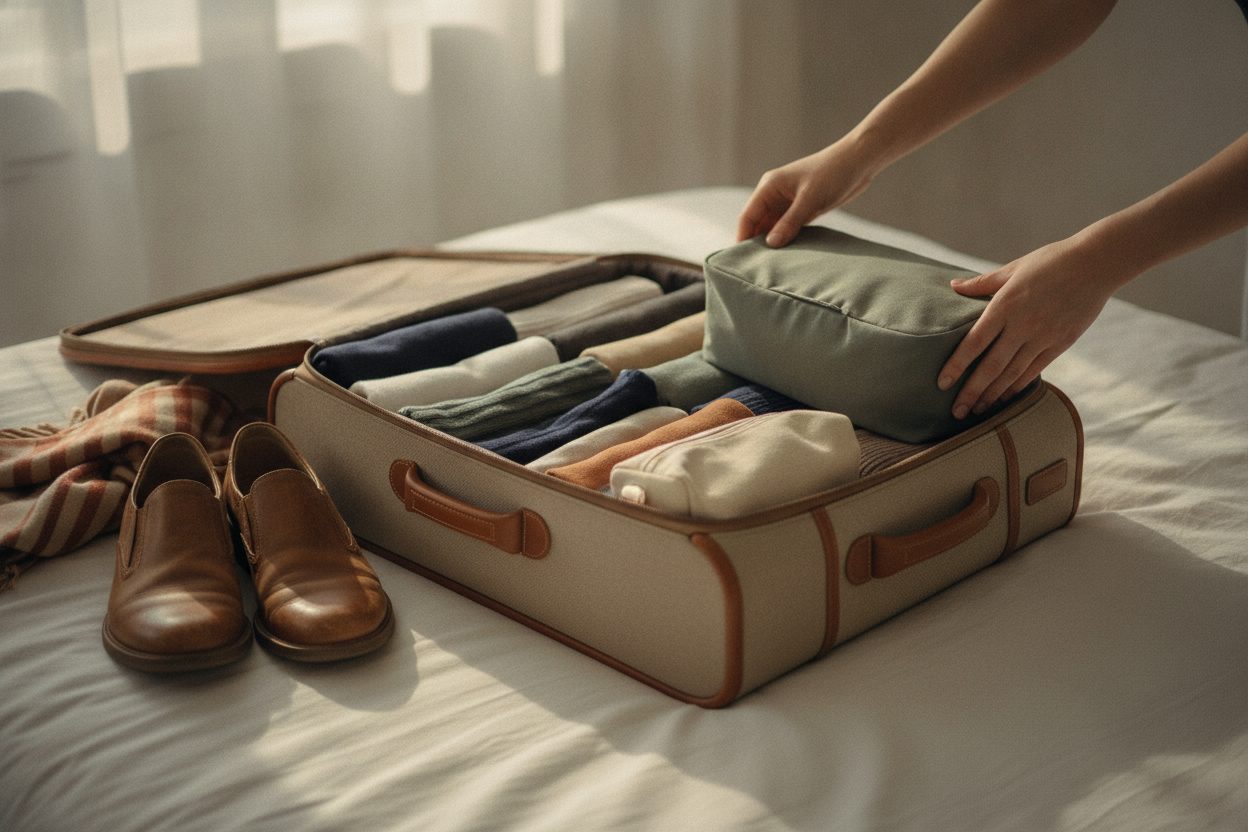
Pack a layer, accept one wet day, and you will have the rest of the fortnight to yourself.
Spring or autumn
The two shoulders are not the same, and choosing well is most of the skill.
Spring suits places you want to walk through and see in bloom. Cities with gardens and parks. Hill country, where the slopes are green before summer burns them. The countryside anywhere between the Mediterranean and the North Sea, when the light is long and everything is growing. The sea will be cold, so spring is for places where the sea is a view rather than a plan.
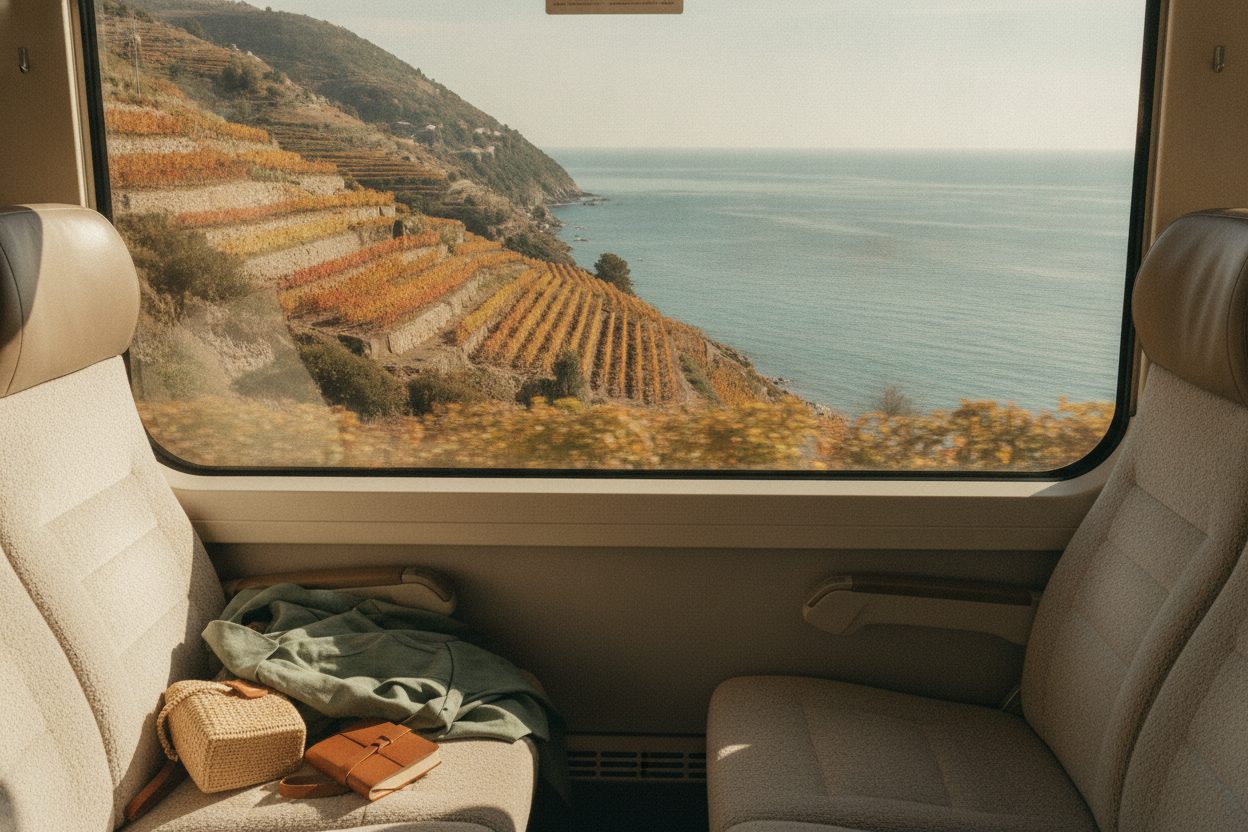
Autumn suits places with warm water and a harvest. The sea has had all summer to heat up and holds it into October across the Mediterranean, so coasts and islands come into their own. Wine regions are picking, with grapes on the vine and the first new pressing in the glass. Food is at its best almost everywhere: mushrooms, game, the first oil, the last tomatoes. And the light in autumn is softer and lower, which is why photographs taken in October look the way you wish your summer ones did.
A simple rule: north and inland in spring, south and coastal in autumn. It is not always right, but it is a good place to start.
How to read a place’s quiet months
Every destination has a rhythm, and you can learn it from your desk.
Look at when local schools break up and go back. The weeks after they return are the first true shoulder. Look at the hotel calendar: when the rates step down is when the crowds leave. Look at what opens and what closes. If a town’s restaurants shut for the season in late October, the last two weeks they are open are the sweet spot. If a mountain pass or a ferry route stops running, that is the hard edge of the season.
Check the festivals too. A small town’s biggest week is not the time to arrive, but the week after it is often the quietest and most pleased to see you.
Weather averages tell you the climate; they do not tell you the crowds. Hotel prices tell you the crowds.
Where it works best
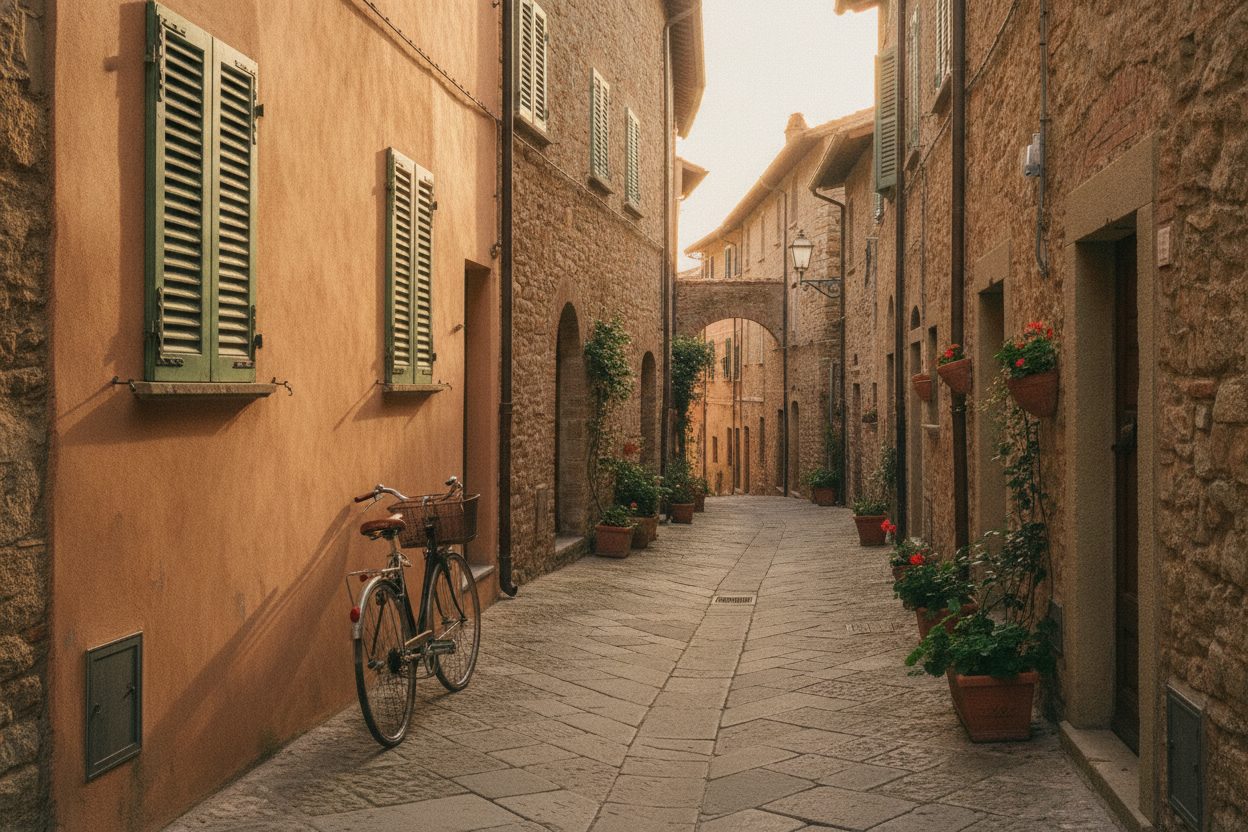
Some places are made for the shoulder. Italy, Spain, Portugal and Greece in late September and October are the obvious ones: warm sea, cooling air, harvest on the table, a fraction of the summer’s visitors. The same countries in April and May for the cities and the countryside, before the heat arrives.
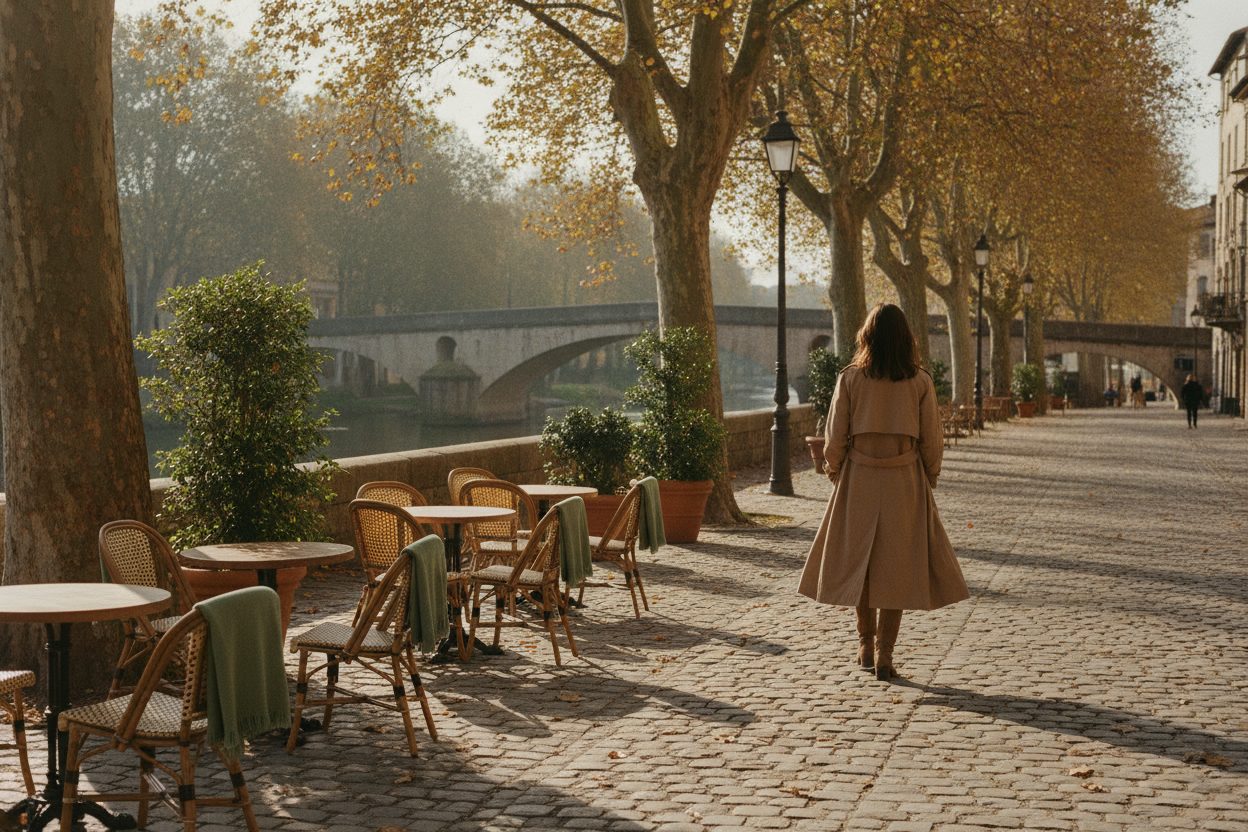
Paris, Amsterdam and the cities of central Europe are spring places, and then autumn places again from mid-September, when the trees along the rivers start to turn. The west coast of the United States is kind in both. Scotland’s islands and the Nordic countries have a very narrow summer, so their shoulder is late May and early September, and it is spectacular.
What you give up
Honesty requires a list. Some things will be shut, especially late in autumn and early in spring: the beach club, the seasonal restaurant, the boat trip that needs twenty people to run. Daylight is shorter in October than in July. If you want to swim in the Atlantic, you will want August.
And the quiet can cut both ways. A resort town in its last week has a melancholy to it, which some people love and some find lonely. If you want the buzz of a place at full tilt, you are reading the wrong article.
Why it is the only season
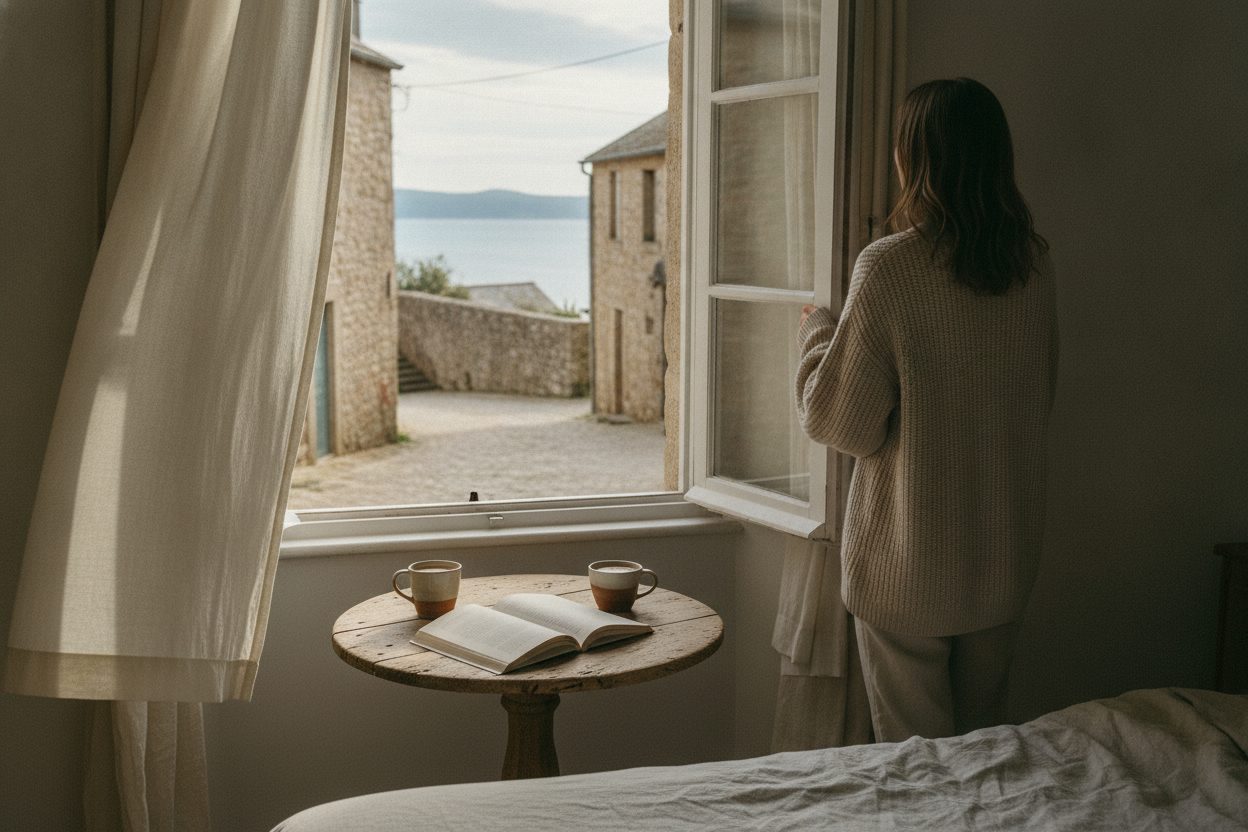
Because travel is about being somewhere, and in peak season you are mostly being in a crowd. The shoulder gives you the place itself: the cafe with a free table, the path with nobody on it, the hotel owner with time to talk. It costs less, it is cooler, it is kinder to the places you visit, and the light is better.
Go just before. Or just after. Never during.
No tourist board, airline or hotel has paid for this piece. Check what is open before you book, especially late in the season.