The Case for the Slow Weekend Away
One place, two nights, nothing booked past breakfast. Why the smallest trip on the calendar is usually the one you remember.
Most of us plan holidays the way we plan work. A list of things to see, a spreadsheet of trains, a hotel chosen for its distance from the next thing. Then we come home and need a week to recover from the rest.
The slow weekend is the opposite of that. One place. Two nights. No itinerary. It is the cheapest trip you will take this year and, if you let it be, the one you think about in February.
Here is how to do it properly, which mostly means doing less.
Choose one place, and make it small
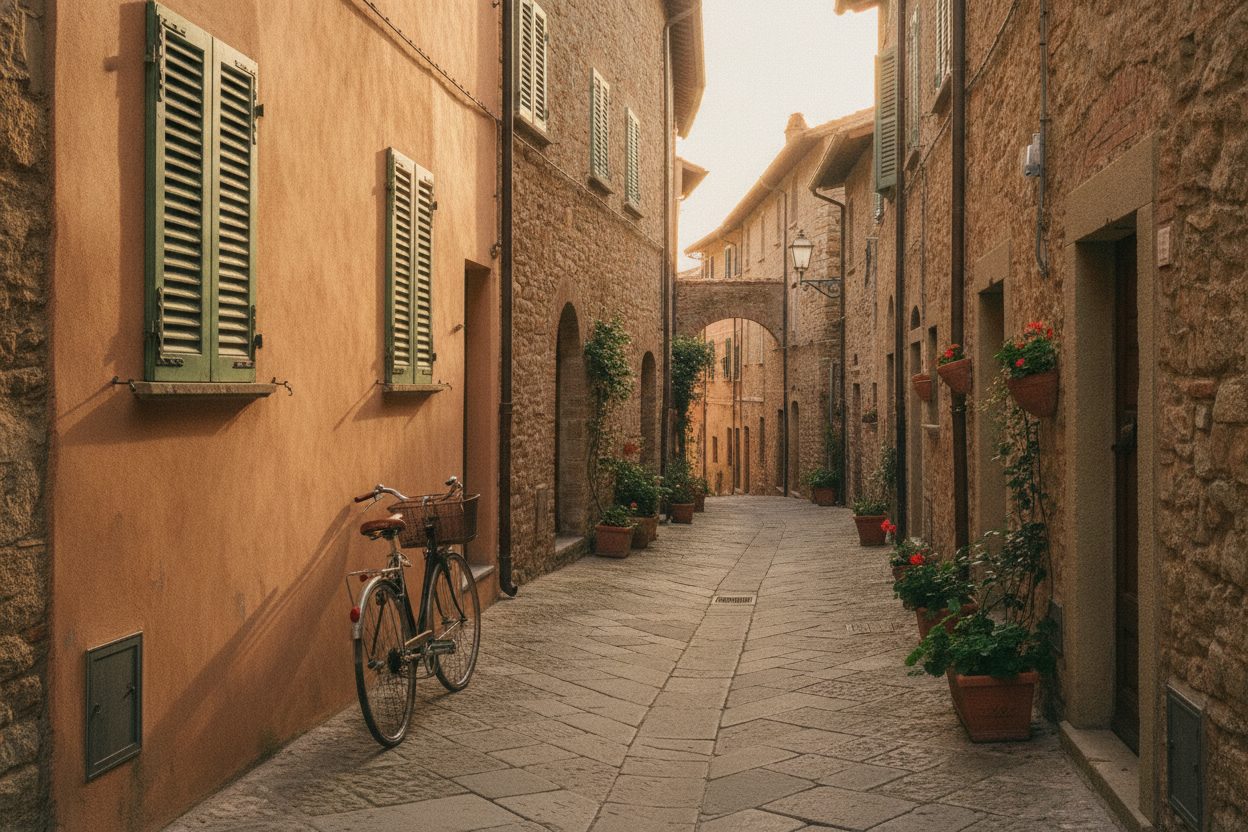
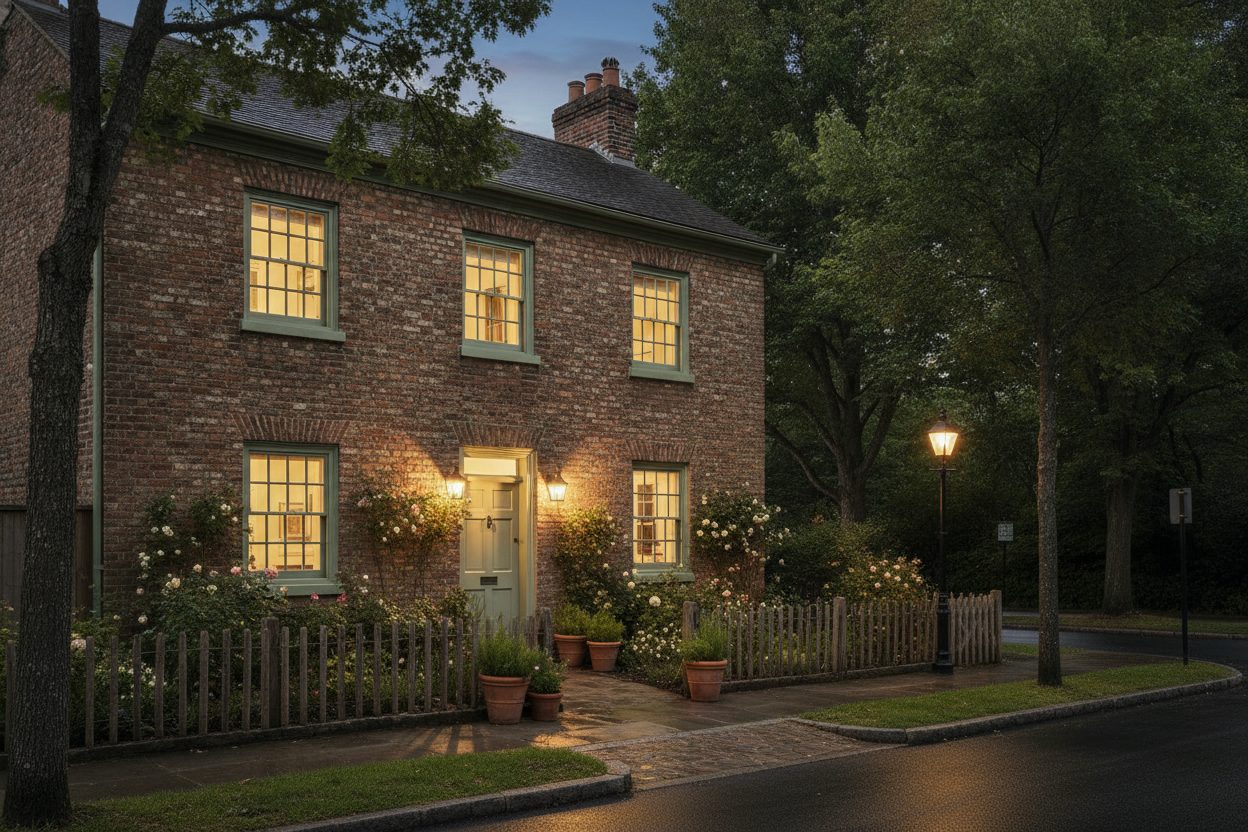
The place matters less than you think, but its size matters a lot. You want somewhere you can walk across in twenty minutes. A market town, a fishing village, a spa town past its prime. Somewhere with one good bakery, one decent pub or bar, a river or a hill or a beach, and not much else.
Big cities do not work for this. They make you feel you are missing something, and you are. A small place has nothing to miss. By Saturday afternoon you will know the shortcut to the water and the woman at the bakery will know your order. That is the point.
Pick somewhere within two hours of home. Any further and the travel starts to eat the weekend. Any closer and it does not feel like leaving.
Two nights, not one
One night is a dinner out with a long commute. You arrive, you unpack, you eat, you sleep, you leave. Nothing has had time to settle.
Two nights gives you a whole day in the middle with nothing on either side of it. That Saturday is the entire trip. Friday is just getting there and Sunday is just getting home. Three nights is lovely, but it starts to need planning, and planning is what we are trying to avoid.
What to book
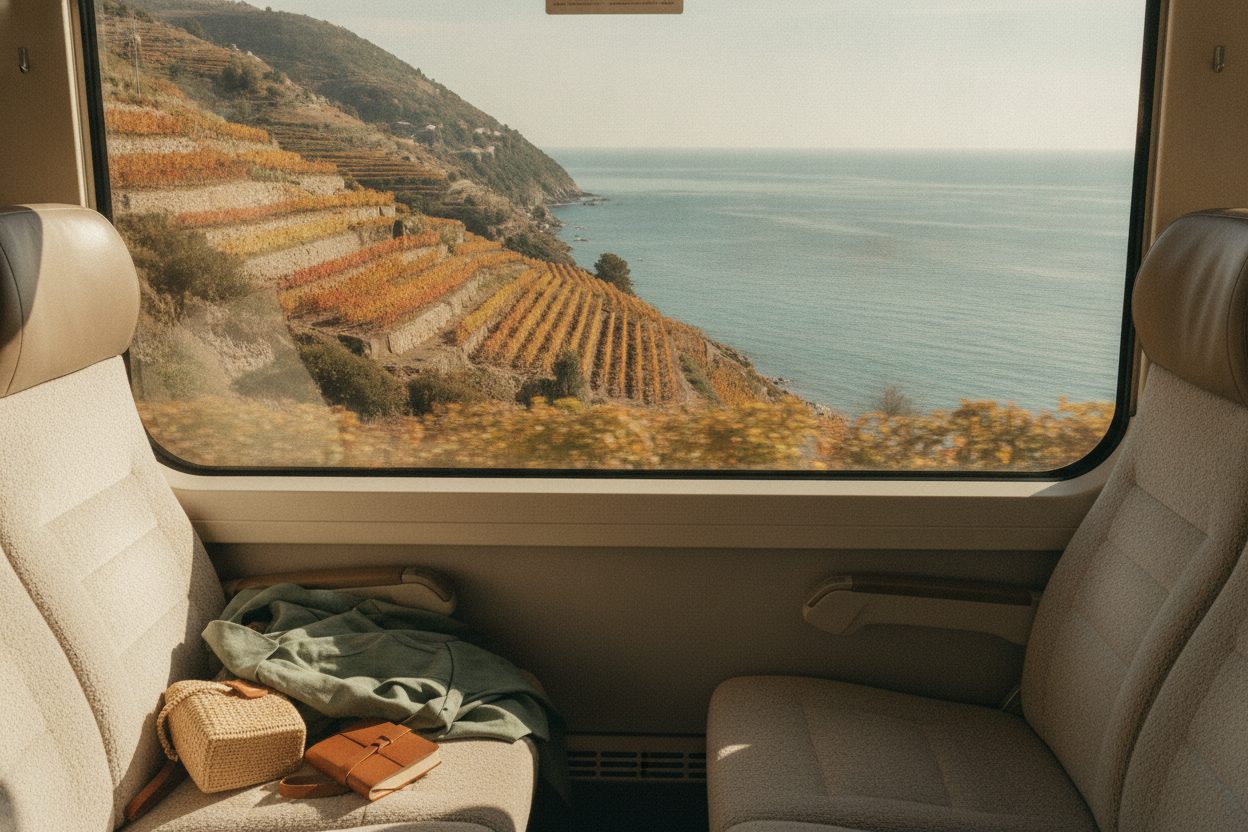
Book the room and the train, or fill the car. That is all.
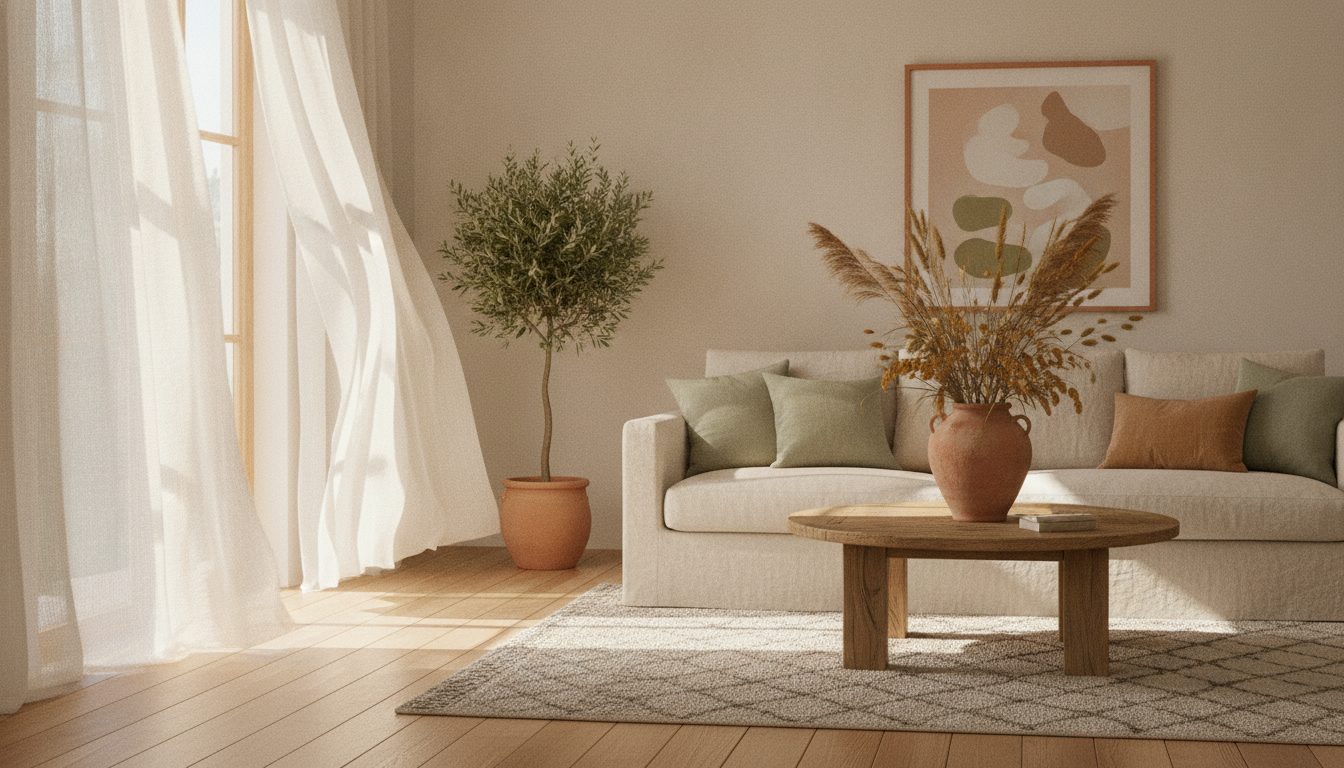
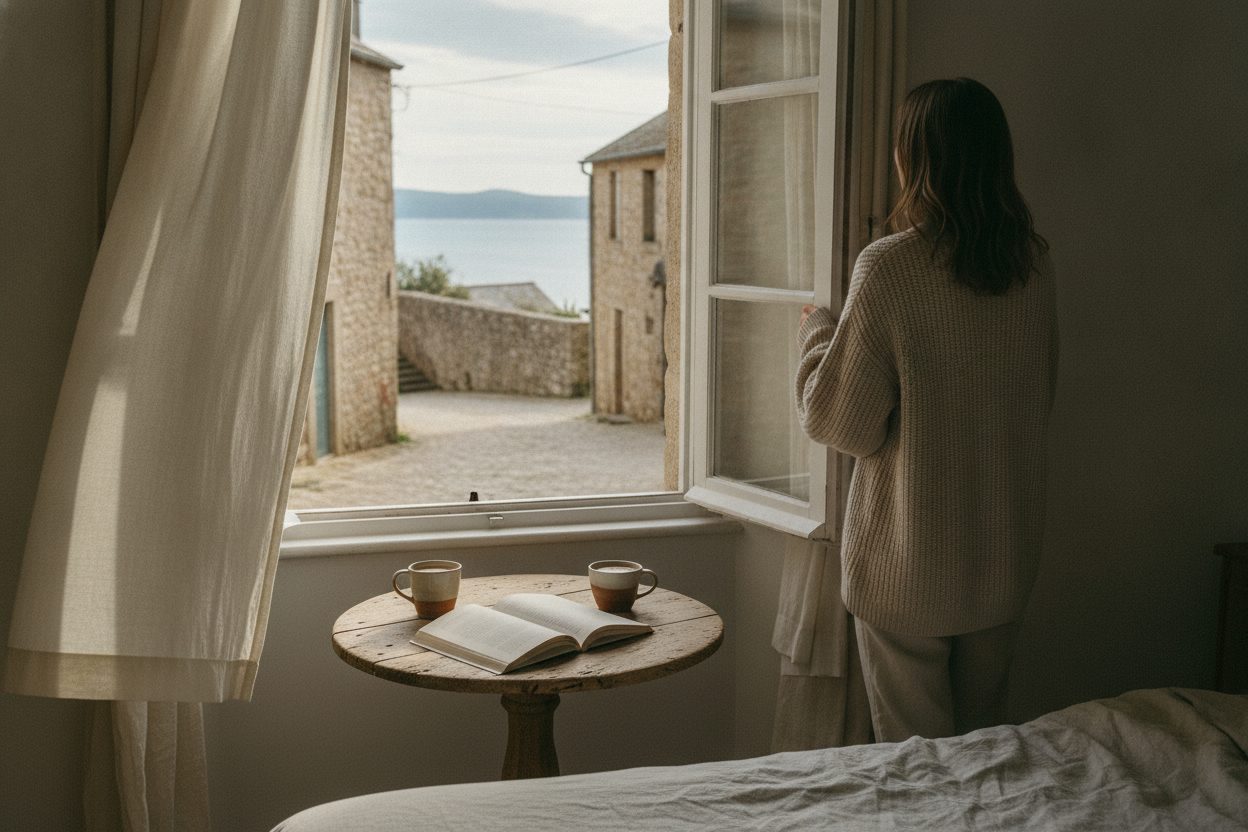
Spend what you would normally spread across the whole trip on the room, because you are going to be in it more than usual. Look for a window you can open, a bed that is not pushed against a wall, and somewhere to sit that is not the bed. A small inn or a room above a restaurant is better than a chain hotel. The owner will tell you where to walk.
Book one dinner if the town has a restaurant people travel for. Otherwise leave it.
What not to book
Everything else. No tours, no timed entries, no table at the place with the view that needs a deposit. No restaurant for Saturday lunch, because you will not know where you will be. No “experience”.
The reason is simple. A booking is a deadline, and deadlines are what you are leaving behind. The moment you have to be somewhere at two, the morning becomes a countdown to two. Unbooked, the morning is just a morning.
If there is one thing you truly want to see, go when it opens, then forget about it.
Arrive on Friday evening and do nothing
Leave work as early as you can get away with. Arrive, drop the bags, and go for a walk with no destination before it gets dark. You are not sightseeing. You are finding out where things are, which is a different and more pleasant activity.
Eat somewhere close. Go to bed early. The whole trip hinges on waking up on Saturday with nothing to do and the entire day to do it in.
The Saturday shape
There is a shape to a good slow Saturday, and it is roughly this.
Wake without an alarm. Walk to the bakery. Eat the thing in the window. Drink the coffee outside if it is warm enough and inside if it is not, and read something that is not your phone.
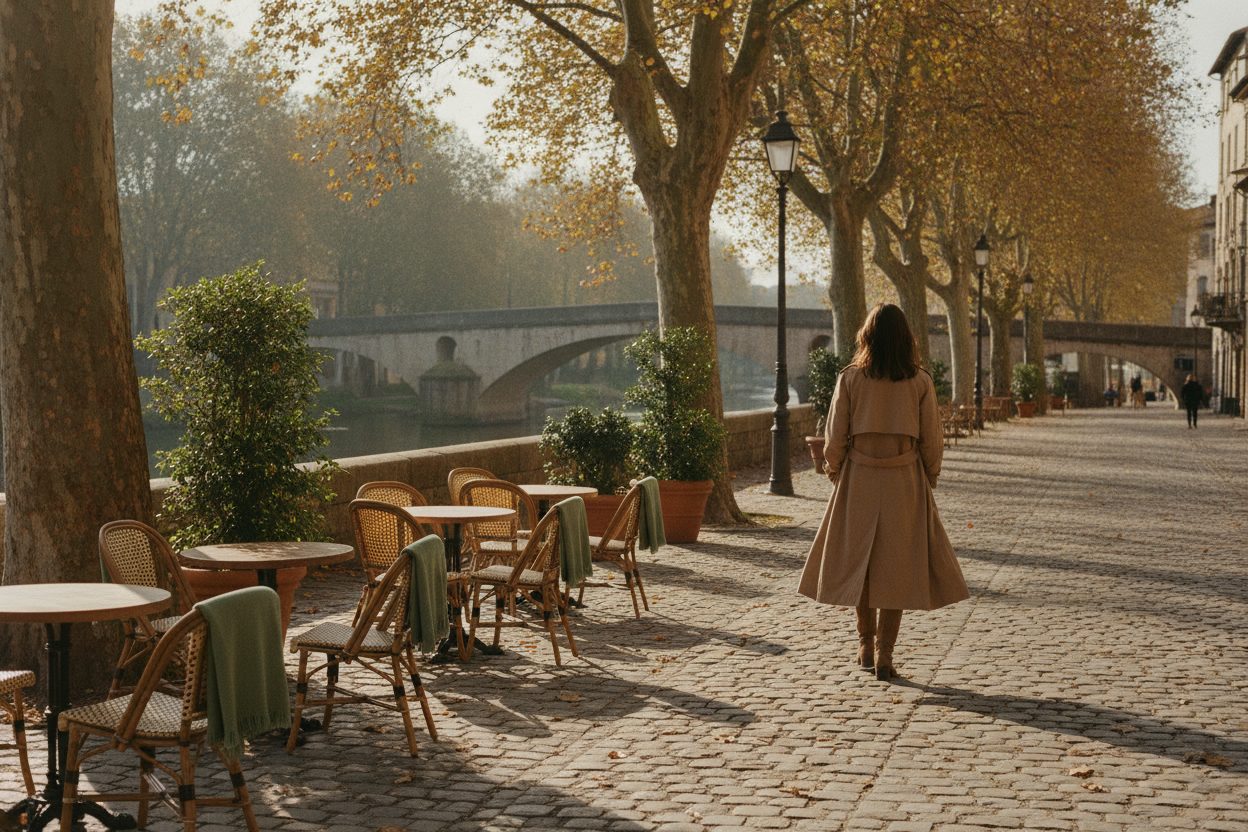
Late morning, walk. Pick a direction, not a destination. Along the river, up the hill, out along the coast path until the town is behind you. Turn back when you are hungry, not when you have reached anything.
Lunch is the big meal. Take two hours over it. Order the thing the place is known for. Have the wine.
The afternoon is for the room. Read, sleep, sit by the open window. This is the part people skip because it feels like wasting the trip. It is the trip. Nobody at home is going to ask what you did on Saturday afternoon, and if they do, “nothing” is a perfectly good answer.
Early evening, one more walk, shorter. Then dinner, then bed.
Pack almost nothing
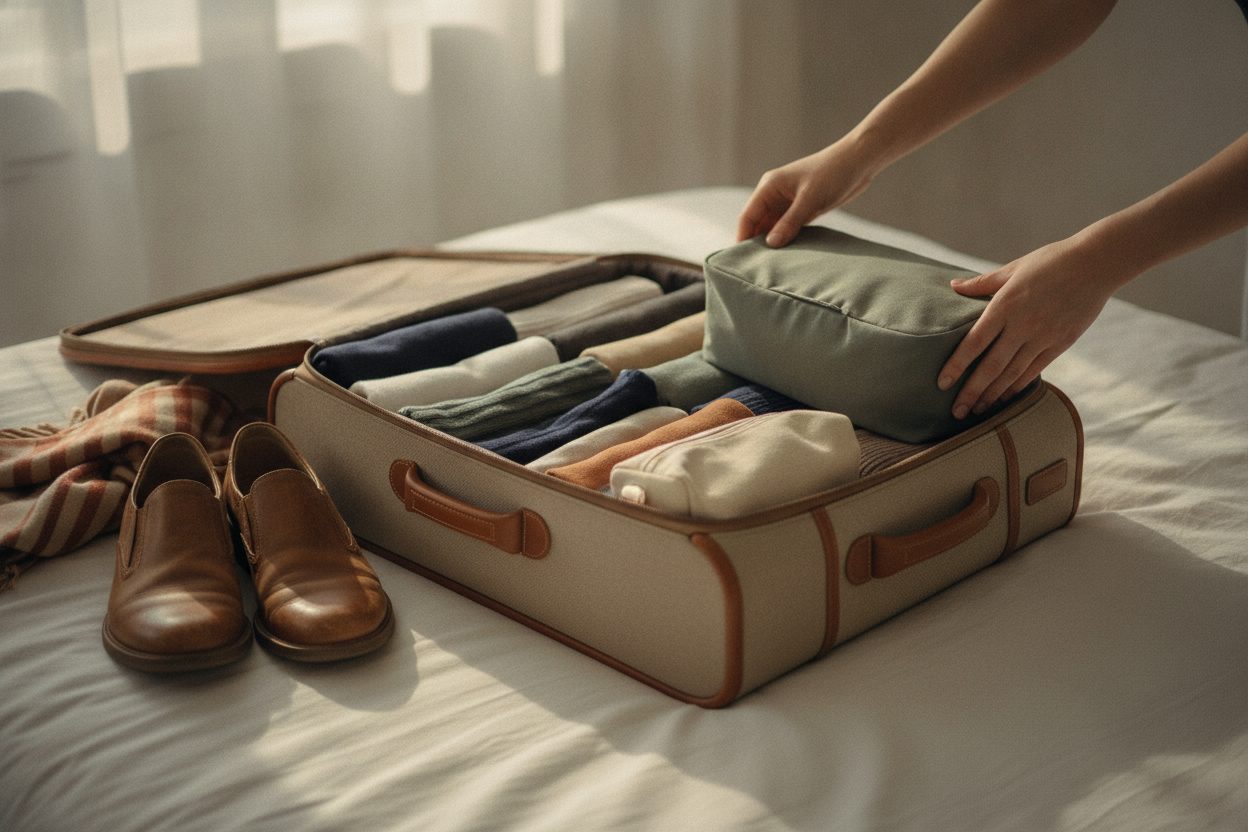
A slow weekend wants a small bag. Two changes of clothes, one you can walk in and one you can eat dinner in. A book you have already started. Something warm for the evening. Leave the laptop. Leave the camera if you own one. Your phone takes pictures, and you will take fewer of them, which is also the point.
Why it beats the big trip
The big trip is wonderful, and this is not an argument against it. But the big trip is expensive, it takes months of thinking, and it comes with a hidden cost: the pressure to make it worth it. Every meal has to be good. Every day has to count. You come home full of places and tired in a way that takes a while to name.
The slow weekend has no such pressure. It cost a tank of fuel and a room. If it rains, you read. If the restaurant is closed, you eat bread and cheese on the bed. There is nothing to live up to, so you can simply be somewhere else for two days, which is what travel was always meant to do.
And because it is cheap and close, you can do it again next month. Four slow weekends a year will do more for how you feel than one fortnight you spent the whole winter saving for.
Then come home before you are tired
Leave after Sunday breakfast. Not late morning, not after one last lunch. Sunday afternoon at home, with the washing in and nothing planned, is part of the weekend too. You arrive back rested, which is rare enough to be worth protecting.
We have no arrangement with any hotel, inn or railway. Go wherever is two hours from your door.