12 Things Frugal People Never Pay Full Price For
Frugal is not cheap. It is knowing where the discount lives on the things that cost real money, from the sofa to the phone to the flight home.

Frugal is not the same as cheap. Cheap buys the worst version of everything and replaces it often. Frugal buys the good version and refuses to pay the first price it sees for it.
Watch someone who is quietly good with money and a pattern appears. There are whole categories of spending where they never pay the sticker price, not because they haggle over everything, but because they know where the discount lives. Here are twelve of them, and the tactic for each.
This is general information, not financial advice. Prices, consumer rights and deposit protections vary by country.
1. Furniture
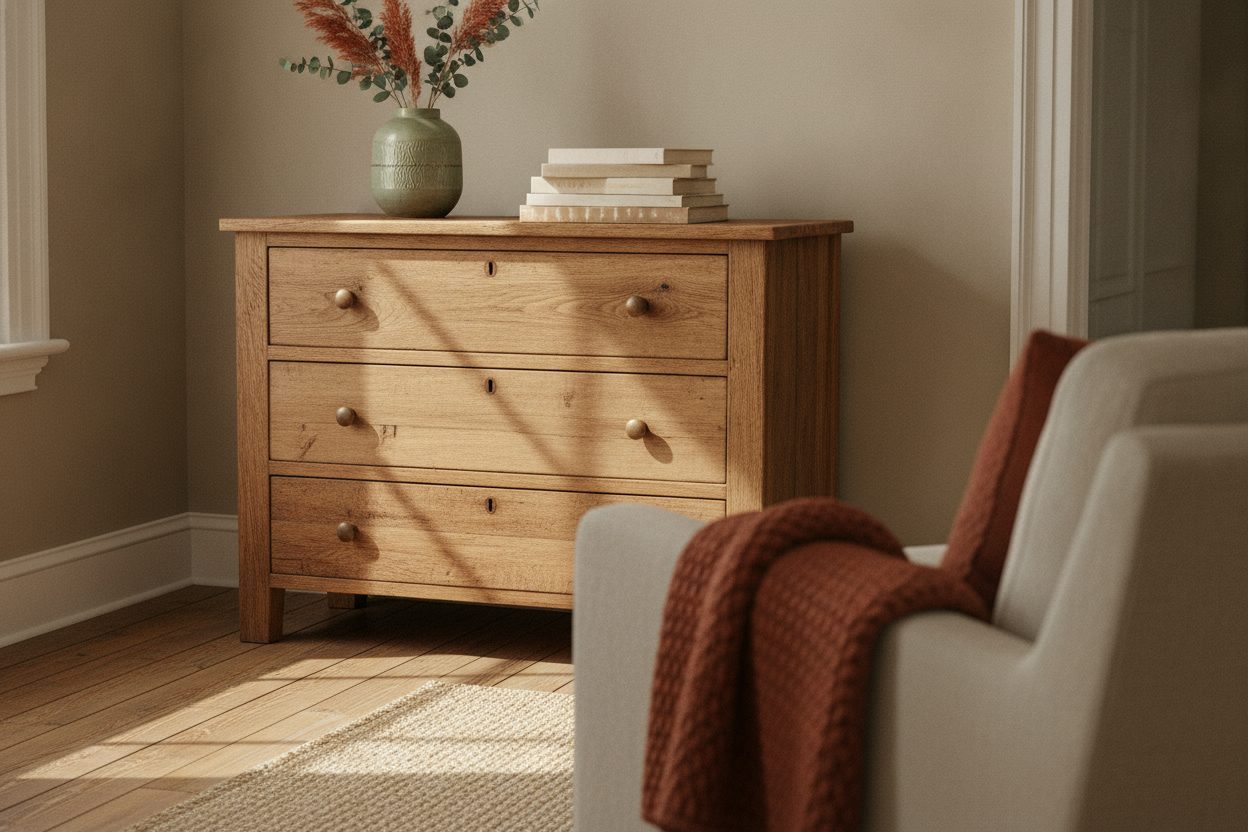
Solid wood does not wear out; it changes hands. Frugal people buy the dresser, the dining table and the bookshelf secondhand, from estate sales, charity shops and local listings, where a piece that would cost four figures new goes for a fraction because it needs a wipe and a new set of handles.
For things that must be new, they ask showrooms about floor models and discontinued lines, which are routinely sold at a steep discount with a scuff you will never find. The sofa is the exception they buy new and well, once.
2. Phones

The newest phone costs the most on the day it launches and does almost nothing the previous model cannot. Frugal people buy last year's model the week the new one comes out, when its price drops, or buy refurbished directly from the manufacturer with a proper warranty.
Then they keep it for four years, with a case, and a battery replacement at year three if needed. The saving is not one phone's worth. It is the difference between upgrading every two years and every four, for the rest of your life.
3. Glasses
An eye test and a pair of frames are two separate purchases, and only the first needs to happen where you are tested. Ask for your written prescription, including your pupillary distance, which you are entitled to in many places and which opticians sometimes leave off.
Then buy frames and lenses online or from a budget optician, where the same lens options cost a fraction of the high-street price. Keep the old pair as a spare. The one exception is a complicated prescription, where an in-person fitting can be worth the premium.
4. Flights
Frugal travelers decide where to go after they look at prices, not before. They search with flexible dates, fly midweek, set a fare alert and wait, and consider two one-way tickets on different airlines when a return is expensive.
They take a carry-on and skip the fees that turn a cheap fare into a dear one. If they use a points card, they pay it off in full each month, because interest wipes out any flight. The best deal is usually the one they did not have a fixed date for.
5. Books
A library card is the most underused piece of plastic in most wallets. It covers new releases, audiobooks and e-books through a phone app, for nothing, and a request list means the book you want arrives in a few weeks rather than a few days.
For books worth owning, frugal readers buy secondhand, swap with friends, and buy new only the ones they will read twice. A shelf of books read once at full price is an expensive way to decorate.
6. Cars
A new car loses a large share of its value in the first few years, and the person who buys it then absorbs that loss so the next owner does not have to. Frugal people buy a car two or three years old with a full service history, often one coming off a lease, and keep it for a decade.
They arrange any finance before they walk onto the forecourt, so the price of the car and the price of the loan are two separate negotiations. Then they maintain it on schedule, which is the cheapest thing you can do to a car.
7. Clothes
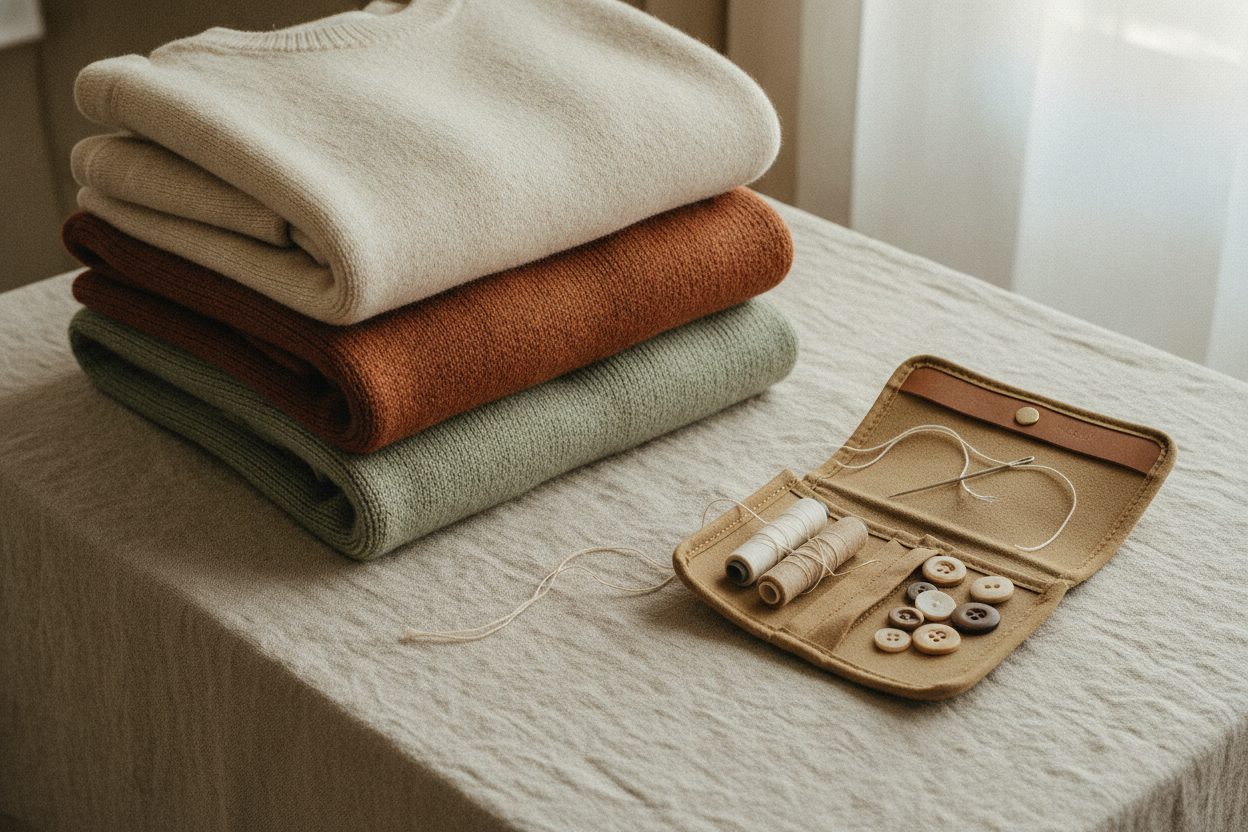
The expensive way to dress is to buy mediocre things often. Frugal people buy fewer, better pieces at the end of the season, when winter coats are marked down in February and linen in September, and they wear them for years. They know which secondhand shops sit in the wealthier parts of town.
They learn to sew a button and find a tailor for everything else, because a twenty-dollar alteration makes a thirty-dollar jacket fit like a three-hundred-dollar one. Full price is reserved for the shoes, which carry everything else.
8. Appliances
A refrigerator with a dent on the side you will never see costs noticeably less than the one beside it. Frugal people ask about scratch-and-dent, open-box and ex-display stock, and they buy last year's model when the new range arrives and the old one is cleared.
They check the energy label, because a cheap appliance that costs more to run is not cheap. And they repair before they replace: a new seal, a new element or a thermostat is a small job that gets a machine another five years.
9. Hotels
The same room costs very different amounts depending on when you ask. Frugal travelers go in the shoulder months either side of the season, book midweek where they can, and compare the booking site's price with a phone call to the hotel, which is often lower because the hotel keeps the commission.
They pick one loyalty program and stick to it rather than spreading nights across six. And they book rooms with a kettle and a fridge, because breakfast and a late drink bought in a hotel are the most expensive versions of both.
10. Gym memberships
List prices at gyms are opening offers, not rules. Frugal people ask for the off-peak rate, the corporate rate, the rate for paying a year upfront, and the one the gym is quietly offering new members this month. They join in a quiet month, not January, when gyms are busiest and least willing to bargain.
They check whether an employer or insurer subsidizes a membership. And before any of that, they ask whether they would actually go, because the cheapest gym is the one you were never going to use.
11. Insurance
Loyalty is expensive here. Renewal quotes tend to creep upward each year, counting on the fact that most people do not check. Frugal people treat every renewal letter as a reason to shop, comparing at least three quotes a few weeks before the date and calling their current insurer with the best one in hand.
They set the excess, or deductible, as high as they could comfortably cover from their emergency fund, which lowers the premium. They do not buy cover they do not need and do not skimp on the cover they do.
12. Anything with a retention department
Phone, broadband, television packages, any contract that rolls on. The price offered to a new customer is a price the company is still willing to take, and frugal people ask for it once a year. They call a month before the contract ends, say they are thinking of leaving, and let the retention team do its work. It is awkward for ten minutes and saves hundreds.
That, in the end, is the whole secret. Frugal people are not cleverer or more disciplined than anyone else. They have simply decided that the asking price is where the conversation starts.